

Hand-picked by our fragrance team
Sold-out bottles drop off this list automatically. Everything here is ready to ship today.
- Genuine stock in our UK warehouse
- Dispatched within 24 hours
- Free UK tracked delivery
By S Bin Shaheen, Fragrance Expert at Perfumeo. Every fragrance below is worn and tested by our team before it is listed.
Before anything else, a definition problem worth clearing up. “Eastern perfume” gets used for two completely different things, and knowing which one you mean decides everything that follows.
One is a scent family: warm, sweet, resinous fragrances built on amber, vanilla, spice and wood. The other is a region’s perfume industry: the houses of the Gulf, the attars, the oud, the bottles from Dubai and Sharjah that have taken over British shelves in the last five years.
Plenty of overlap between them. Not the same thing at all. Guerlain’s Shalimar belongs to the first and has nothing to do with the second. A crisp aquatic from a Dubai house belongs to the second and nothing like the first.
Which one did you mean?
The scent family
If someone describes a perfume as eastern or oriental, they usually mean warm and rich rather than fresh and light. Vanilla, amber, benzoin, labdanum, tonka bean, cinnamon, resins. Fragrances that unfold slowly and sit heavy on the skin instead of sparkling and disappearing.
This family includes a great many Western designer bottles. Angel, Black Opium, Shalimar. Nothing regional about it.
The regional industry
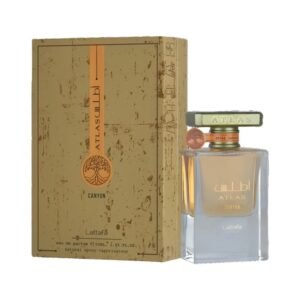
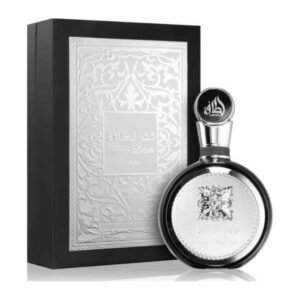
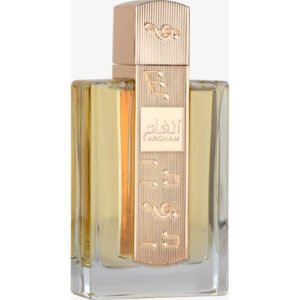
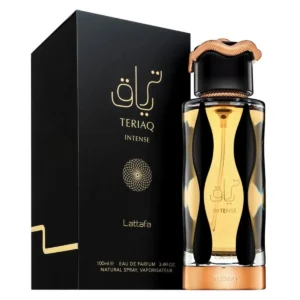
This is what most British shoppers now mean. Houses like Lattafa, Afnan, Ard Al Zaafaran, Maison Alhambra, Ahmed Al Maghribi. Rich compositions, generous concentrations, prices that undercut designer counters by a distance. Some are warm and ambery. Plenty are not: Atlas Canyon is an aquatic, and it sits about as far from oud as fragrance gets.
If you arrived here after seeing a bottle on TikTok, this is your category. Our guide to the best Arabian perfumes to buy online ranks the strongest of them.
Why the word is changing
Worth knowing before you go searching, because the vocabulary shifted under everyone’s feet and the shops have not all caught up.
The perfume industry is retiring “oriental” as a family name. Michael Edwards, whose Fragrances of the World classification is the reference the trade actually uses, replaced it with Amber, and the sub-families went with it: Soft Amber, Floral Amber, Woody Amber. The Perfume Society made the same change, describing the old term as outdated and offensive to many. Fragrantica moved across too.
The reasoning is straightforward enough. “Oriental” describes a direction rather than a smell, and it lumps a vanilla gourmand together with a dry incense and a rose oud as though they were one thing.
What this means for you is practical. Search “amber fragrance” and you’ll find the modern classification. Search “oriental” and you’ll find older reviews and plenty of shops still using it. Both terms point at the same bottles. Neither tells you much about the regional houses, which is the confusion this whole page exists to fix.
What eastern perfume actually smells like
Assume you mean the regional category, since that’s what most people mean. Here’s the honest map of what you’ll meet.
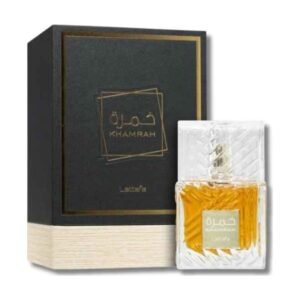
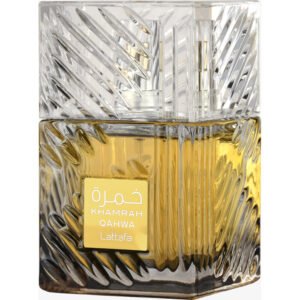
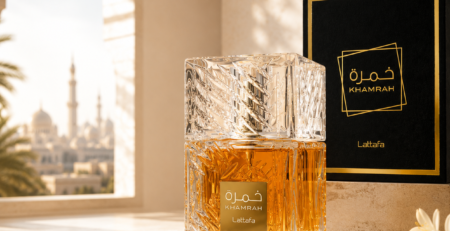
Gourmand. Sweet and edible. Vanilla, dates, praline, caramel, coffee. This is where the current wave sits and where most newcomers land happily. Khamrah is the obvious example, and we’ve written a full Khamrah review covering how it wears.
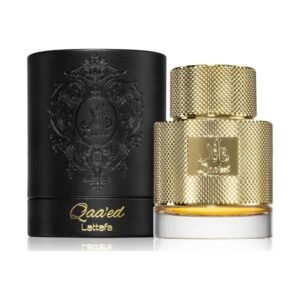
Amber and spice. Warm, resinous, cinnamon and saffron over vanilla and labdanum. Traditional and cosy. Qaaed is a good example of the style done properly.
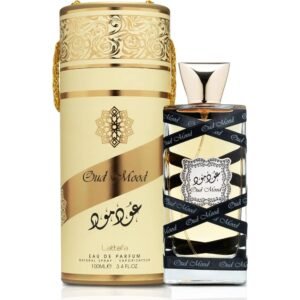
Oud and woods. Smoky, resinous, the note people either fall for immediately or never get on with. Start smooth rather than dark. Oud Mood is a gentle way in, and our ranked list of the best oud perfumes in the UK goes deeper.
Musk and florals. Softer, cleaner, closer to what most British noses already know. Rose, jasmine, white musk. Often the easiest transition if heavy scents worry you.
Fresh. The category nobody expects. Aquatics, citrus, marine notes. The Atlas line is built entirely on this, and it exists because Gulf houses sell into hot countries where nobody wants amber in August.
How to choose your first one
Four questions, in this order. Get them right and the shortlist writes itself.
What do you already like?
The single most useful thing you can do, and almost nobody does it. Think of a fragrance you have worn and enjoyed, then find its equivalent rather than starting from scratch.
Love vanilla gourmands? Start with the sweet end. Wear fresh aquatics? Start with Atlas rather than forcing yourself into oud because it seems more authentic. Enjoy warm designer ambers? The spice category is your shelf.
Nothing about this category requires you to like smoke and resin. That’s just what the marketing shows.
How strong do you want it?
Eastern houses run heavier concentrations than designer brands as a rule, so a bottle that looks cheap often outlasts one costing four times as much. That’s the appeal, and it’s also the trap: two sprays of an extrait is not the same as two sprays of an eau de toilette.
Our guide to perfume strength levels explains what each label actually buys you. Read it before your first order and you’ll avoid the most common beginner mistake, which is over-spraying something built to be worn lightly.
When will you wear it?
Season matters more here than with lighter Western fragrances. Amber, oud and gourmand all bloom in cold air and turn oppressive in a warm room. If most of your wearing happens at a desk in summer, buy from the fresh or musk end and save the heavy bottles for December.
Have you smelled it?
Almost nobody buys their first eastern perfume having smelled it, because the houses have no counter presence in most British high streets. Samples solve this. A 2ml decant costs a fraction of a bottle and answers the question properly, which is why we stock samples alongside full sizes.
Blind buying works out more often than you’d think in this category, because the quality floor is high. It still costs you a shelf full of bottles you wear twice.
Where to start, by taste
Five honest routes in, matched to what you already enjoy rather than ranked against each other.
Sweet and warm: Khamrah. Dates, cinnamon and praline, and the bottle that converted most of our customers to the category in the first place.
Spiced and traditional: Qaaed. Cinnamon and saffron into vanilla, amber and leather, with the kind of longevity this category is known for.
Curious about oud: Oud Mood. Smooth and polished rather than medicinal, which is what you want the first time.
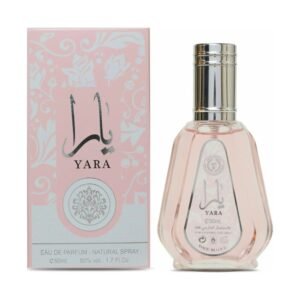
Soft and feminine: Yara. Creamy, fruity and gentle, and the 50ml is a low-commitment way to test the water.
Fresh, not heavy: Atlas Canyon. Proof that the category is not all smoke and sugar.
Mistakes worth avoiding
Over-spraying is the big one. Three sprays of a designer eau de toilette and three sprays of an Arabian extrait are different propositions entirely. Start with two and add later.
Buying the loudest bottle first is the second. The fragrances that impress in a shop are rarely the ones you reach for on a Tuesday.
Judging in the first ten minutes is the third. These compositions are built around the dry-down, and the opening is frequently the least representative part.
Buying from an unverified marketplace seller is the costly one. Popular Arabian bottles are heavily counterfeited, and a convincing fake is convincing until you wear it. Our guide on how to buy authentic perfume online covers the checks that matter.
Everything on our shelves
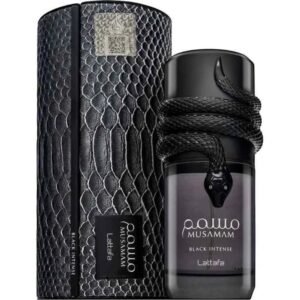
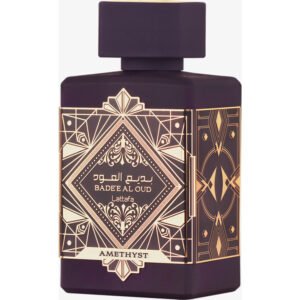
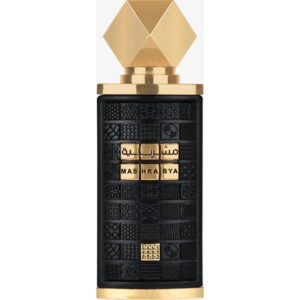
Sold-out bottles are hidden automatically, so what you see here you can order now.
Frequently asked questions
What is an eastern perfume?
The term covers two things. As a scent family it means warm, resinous fragrances built on amber, vanilla, spice and wood, now more correctly called amber fragrances. As a category it means perfumes from Middle Eastern houses such as Lattafa, Afnan and Ard Al Zaafaran, which span every style including fresh and aquatic.
Is oriental perfume the same as eastern perfume?
They are used interchangeably, and the industry is retiring both in favour of amber. Michael Edwards’ classification and The Perfume Society have both made the change, describing oriental as outdated and too broad to be useful.
Are eastern perfumes stronger than designer ones?
Generally yes. Middle Eastern houses tend to use higher fragrance oil concentrations, so longevity and projection often exceed designer bottles at several times the price. Apply more lightly than you would a designer eau de toilette.
Which eastern perfume should a beginner buy first?
Match it to what you already wear. Gourmand lovers should start sweet, fresh-fragrance wearers should start with an aquatic, and anyone curious about oud should choose a smooth blend rather than a dark one. Buy a sample first if you can.
Do all eastern perfumes contain oud?
No, and this is a common misconception. Oud appears in a minority of releases. The current best sellers are largely gourmands built on vanilla, dates and caramel, and several popular lines are fresh aquatics with no oud whatsoever.
Are eastern perfumes unisex?
Many are, and the regional tradition treats fragrance far less rigidly by gender than Western marketing does. Rose, oud and amber are worn by everyone across the Gulf. Read the notes rather than the label on the box.
The short version
“Eastern perfume” means either a warm scent family, now properly called amber, or the Middle Eastern fragrance houses that have reshaped what British shoppers buy. Most people mean the second.
Choose by starting from a fragrance you already like rather than from the category’s reputation. Check the concentration before you spray. Think about the season. And if you can, smell it first.
The reason this category grew so fast is not mystique. It is that the bottles perform, and the price makes experimenting cheap enough to be enjoyable.

Leave a Reply