

- Free DeliveryTracked, on every UK order
- No Minimum SpendEven on a single bottle
- Same Day DispatchOrder before 2pm
Hand-picked by our fragrance team
Sold-out bottles drop off this list automatically. Everything here is ready to ship today.
Free Deliverytracked, on every UK order
Free Deliverytracked, on every UK order
Free Deliverytracked, on every UK order
Free Deliverytracked, on every UK order
100% genuine, sealed stock, shipped from our UK warehouse
By S B Shaheen, Fragrance Expert at Perfumeo. Every fragrance below is worn and tested by our team before it is listed.
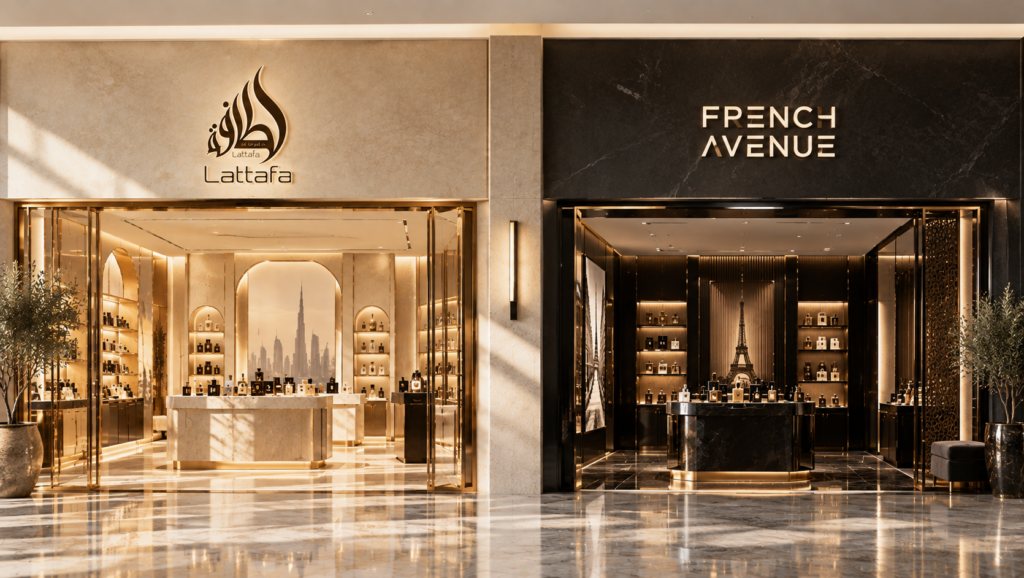
Quick verdict, then the detail. Lattafa is the bigger house and the better first buy, with more range, lower entry prices and the gourmands that pulled most British shoppers into Arabian fragrance. French Avenue costs more per bottle and earns it through concentration and polish, particularly if you want something that reads niche rather than viral.
Neither is a budget version of the other. They are aiming at different shoppers, and the comparisons circulating on TikTok mostly pit specific bottles against each other rather than the houses. Those are the comparisons worth having, so we will get to them properly.
The two houses
Lattafa is Emirati, family-run into its third generation, and enormous. Thousands of staff, a catalogue running past two thousand products, distribution across more than a hundred and twenty countries. That scale is why the prices work and why the catalogue moves so fast that keeping up is a job in itself.
French Avenue, sold as FA Paris on some bottles, sits under the Fragrance World group. Smaller catalogue, tighter curation, and a deliberate French-perfumery accent in the naming and packaging. Most of the range comes at Eau de Parfum or Extrait strength, which is roughly 15 to 30 percent aromatic oil. Our French Avenue brand guide maps the whole range if you want the detail.
Worth knowing that plenty of buyers assume French Avenue and Fragrance World are rivals. They are not. Same group, different positioning, and French Avenue is the more premium of the two.
What the price difference buys
Lattafa runs cheaper at the entry point by a wide margin, and cheaper on average across the range. French Avenue starts higher and climbs further, particularly across the Extrait releases.
You are paying for two things. Concentration is the honest one: more oil in the bottle generally means longer wear, and French Avenue leans on Extrait formats more than Lattafa does. Presentation is the other, and whether that matters is entirely down to you. The caps are heavier, the boxes are crisper, and the bottles photograph better.
What you are not paying for is a categorical quality gap. A well-made Lattafa and a well-made French Avenue perform comparably. Our guide to perfume strength levels explains what concentration actually delivers, because that is where most of the real difference sits.
The head-to-heads people actually run
These three keep coming up, and all six bottles are worth knowing.
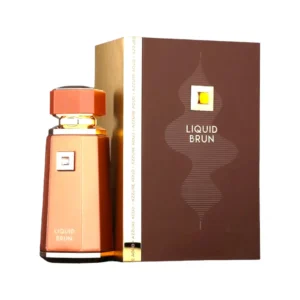
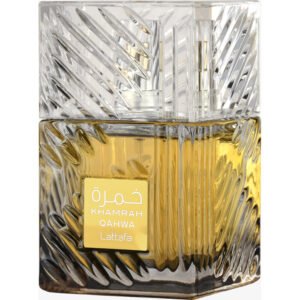
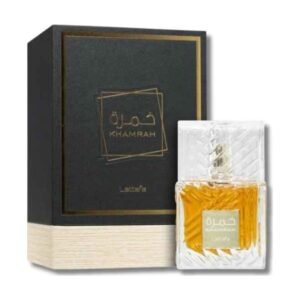
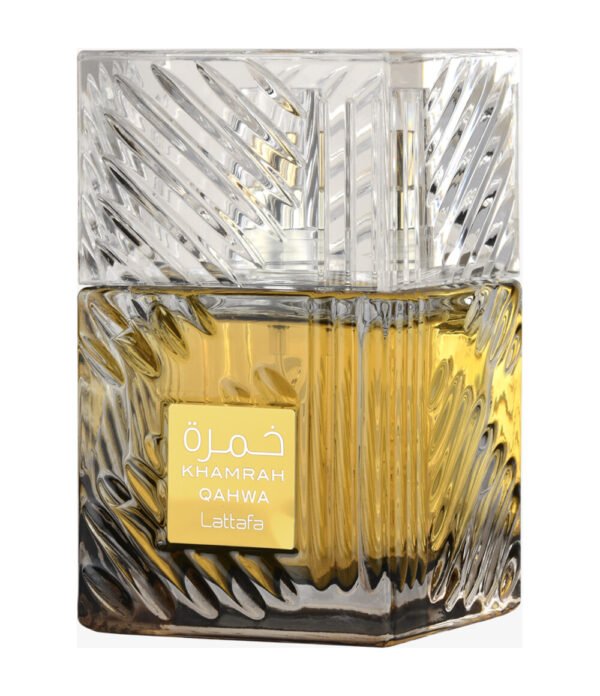
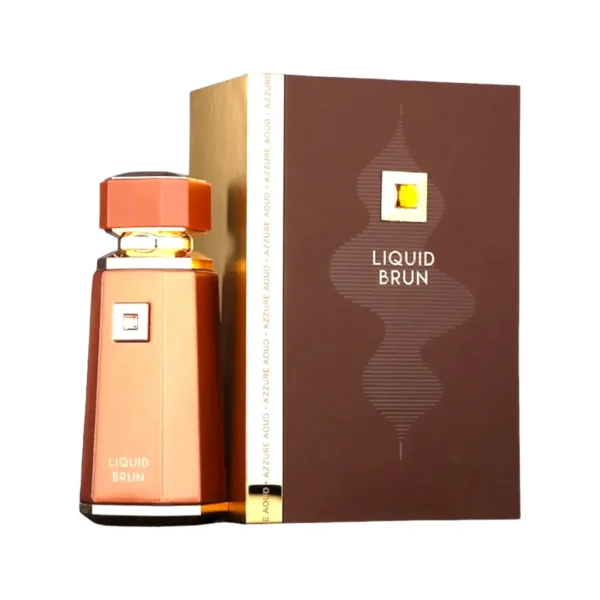
Khamrah Qahwa against Liquid Brun
The winter comparison, and the closest of the three. Khamrah Qahwa runs Arabic coffee, cardamom and candied fruit over the Khamrah date-and-spice base. Liquid Brun goes cinnamon, orange blossom and cardamom into bourbon vanilla, praline and guaiac wood.
Free Deliverytracked, on every UK order
Free Deliverytracked, on every UK order
Both are warm, spiced and built for cold weather. Qahwa is the sweeter and more distinctive of the two, and it smells more obviously Arabian. Liquid Brun is smoother and more Western in shape, sitting in Parfums de Marly Althaïr territory, which we cover in the Liquid Brun dupe guide.
Buy Qahwa if you want people to ask what you are wearing. Buy Liquid Brun if you want to smell expensive without the question.
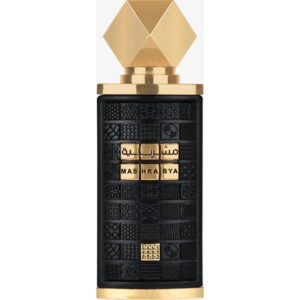
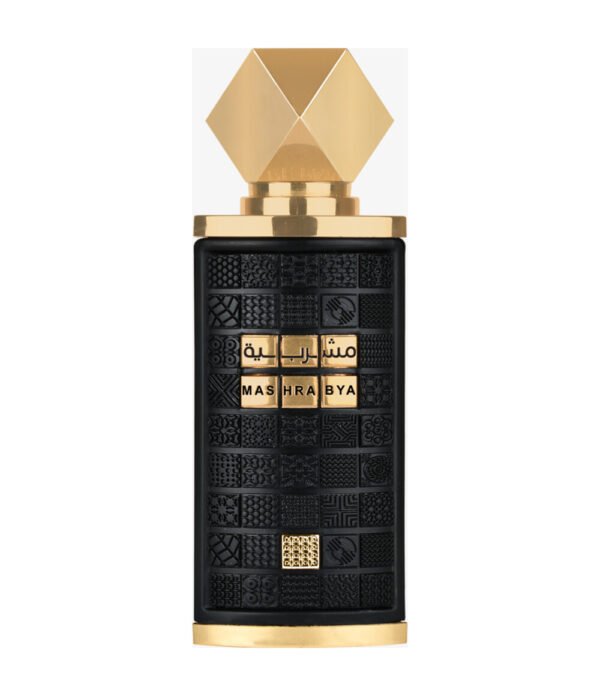
Mashrabya against Liquid Brun
Mashrabya is the smokier proposition entirely: shisha vapour and apple up top, tabac and date through the heart, then oud, patchouli, vanilla and caramel underneath. It goes places Liquid Brun does not.
Free Deliverytracked, on every UK order
Liquid Brun is the safer bottle and the better one for daytime or an office. Mashrabya is the more interesting one and the better one after dark. If you only wear fragrance to work, this is not a close call.
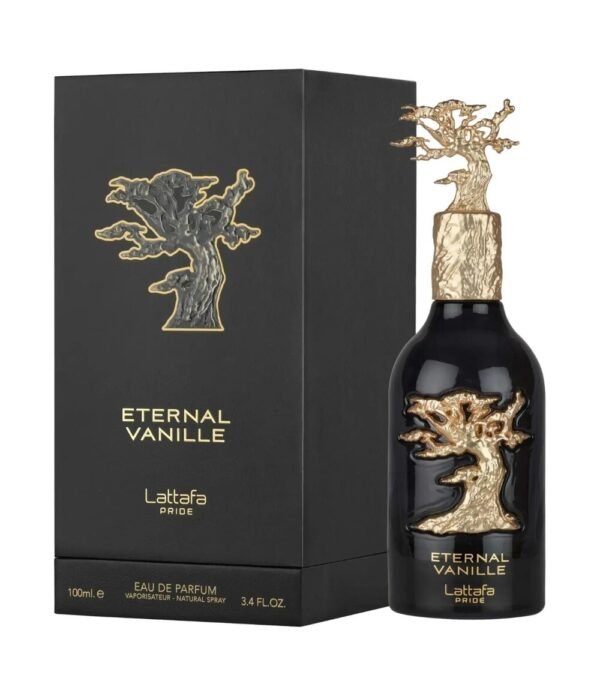
Eternal Vanille against Liquid Brun Limited Edition
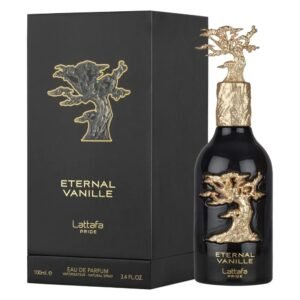
The heavyweight round. Eternal Vanille from the Lattafa Pride line takes vanilla seriously, built around a vanilla caviar concept with real density. Liquid Brun Limited Edition is the 150ml extrait in the darker bottle, and we have written a separate piece on how it differs from the standard.
Free Deliverytracked, on every UK order
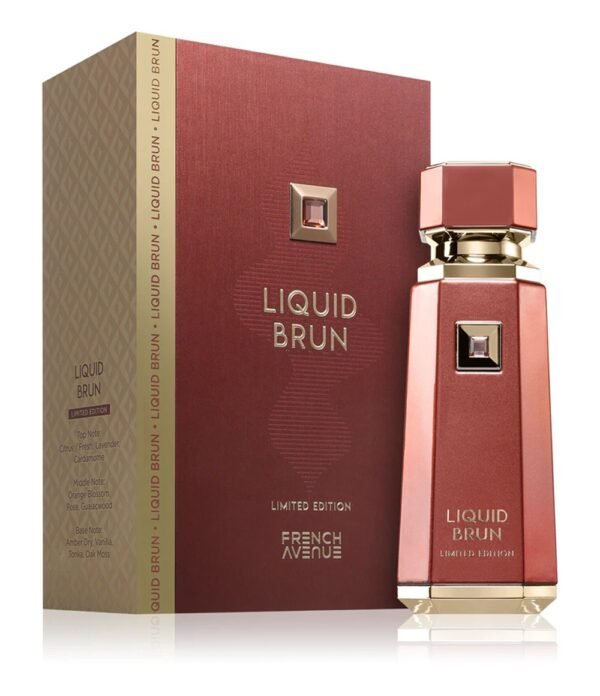
Both are cold-weather bottles with serious presence. The Limited Edition wins on sheer volume of juice and on longevity. Eternal Vanille wins if vanilla is the point rather than spice.
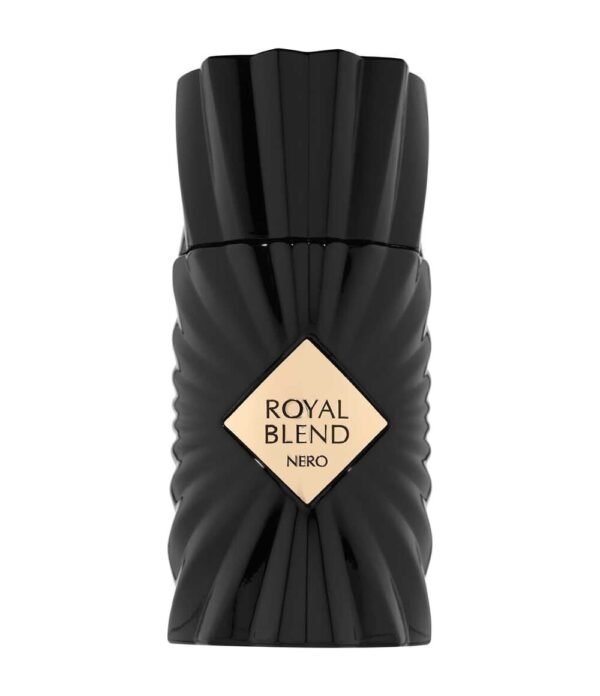
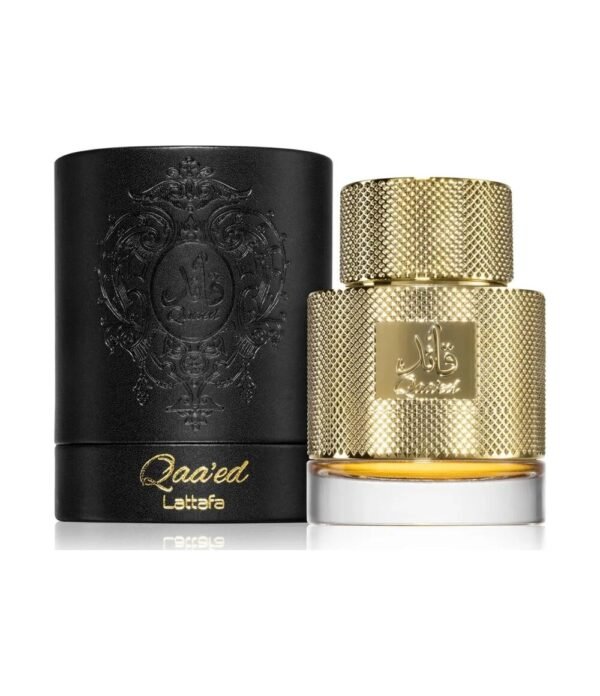
Royal Blend Nero against Qaaed
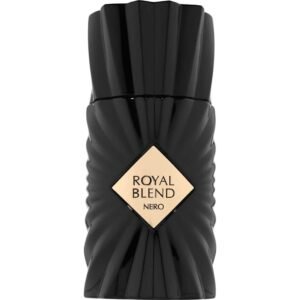
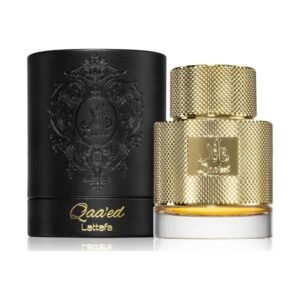
The closest pairing on this page, and neither house advertises it. Royal Blend Nero runs nutmeg, apple and bergamot into cinnamon, saffron and dry wood, landing on vanilla, tonka bean, benzoin and musk. Qaaed runs cinnamon, cardamom and bergamot into saffron, sandalwood and cedar, landing on vanilla, agarwood, amber and leather.
Free Deliverytracked, on every UK order
Free Deliverytracked, on every UK order
Same spine, different accents. The apple keeps Nero brighter and easier to wear early on. The agarwood gives Qaaed more weight and a longer tail. Both are cold-weather bottles holding eight hours or more, and honestly, if you own one you do not need the other.
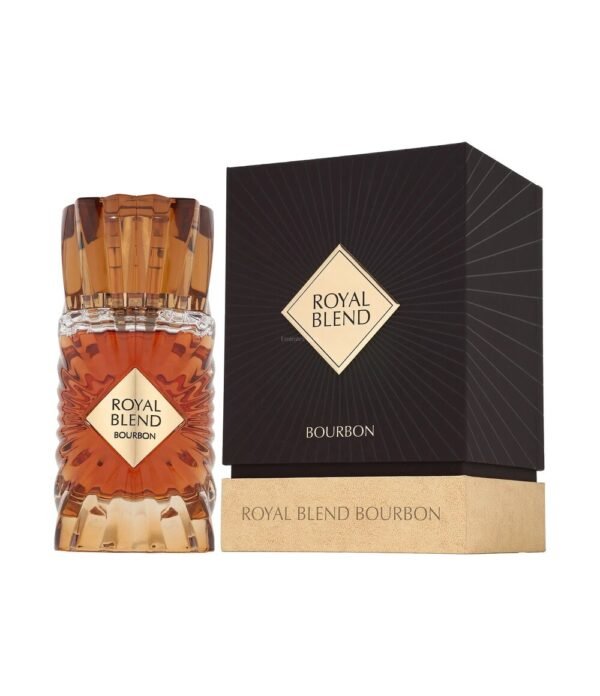
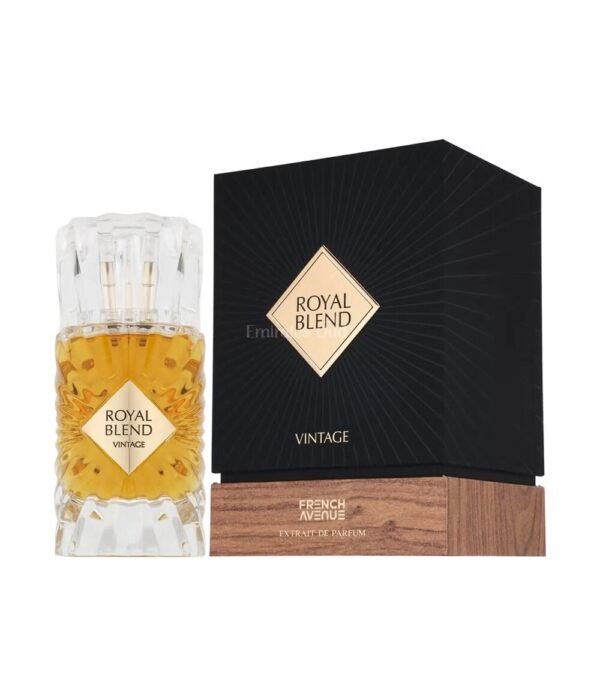
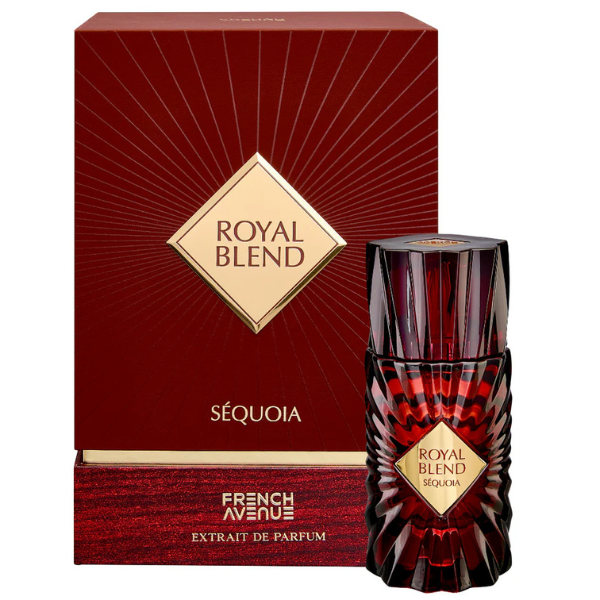
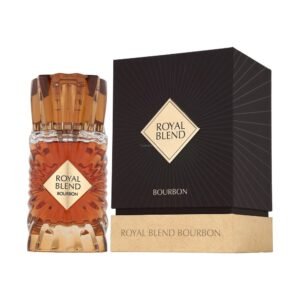
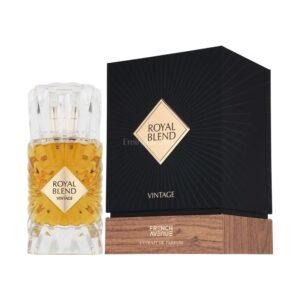
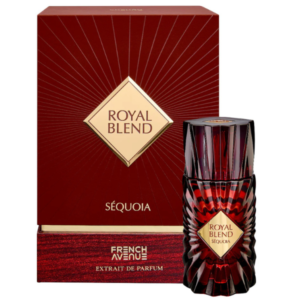
Nero sits in a four-strong Royal Blend line, which is worth knowing because two of the others come at extrait strength: Bourbon, Vintage and Sequoia.
Free Deliverytracked, on every UK order
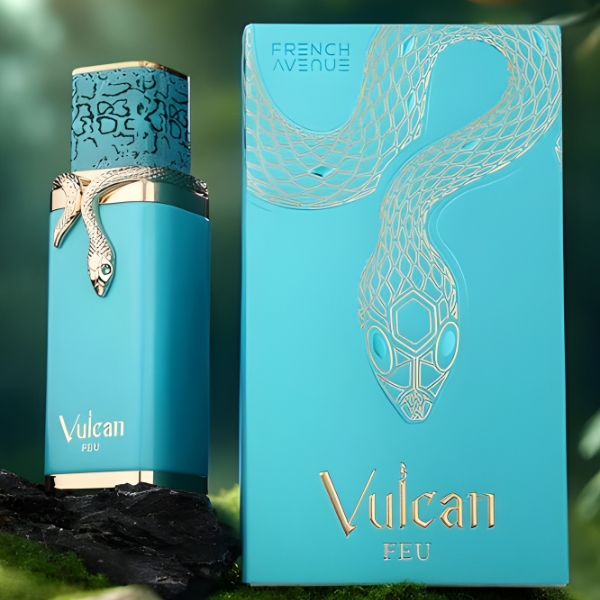
Vulcan Feu, which Lattafa has no answer to
Worth flagging because it cuts against most of this piece. Vulcan Feu opens on mango, lemon, ginger and rhubarb, moves through pink pepper, jasmine, violet and praline, then settles into tonka bean, cedarwood, ambergris and moss. Juicy and bright up top, mossy and grown-up underneath, and around eight hours on skin.
Lattafa does fresh, and Atlas does it well, but Lattafa does not really do fruity-woody at this level. If that is the style you are after, French Avenue takes it by default rather than on points.
Where each house wins
Lattafa takes range. Nothing else in this price bracket comes close. Gourmands, oud, aquatics, florals, musks, and multiple flankers of everything. If a style exists, Lattafa has made a version.
Lattafa takes the entry point. You can try the house properly for the price of one French Avenue bottle. For anyone still working out what they like, that matters more than anything else on this page.
Lattafa takes recognition. Khamrah and Yara are the bottles people know by name. Our rankings of the best Lattafa perfumes for men and the best for ladies cover the strongest of them.
French Avenue takes polish. The bottles feel more considered, and the compositions are smoother through the dry-down. Less shouty, more finished.
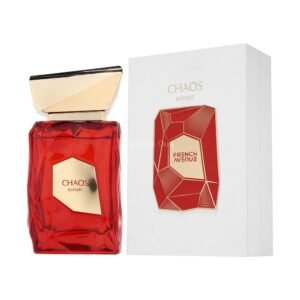
French Avenue takes concentration. More Extrait releases means more oil, and the performance shows it. Chaos Extrait and Irida Extrait are both good demonstrations.
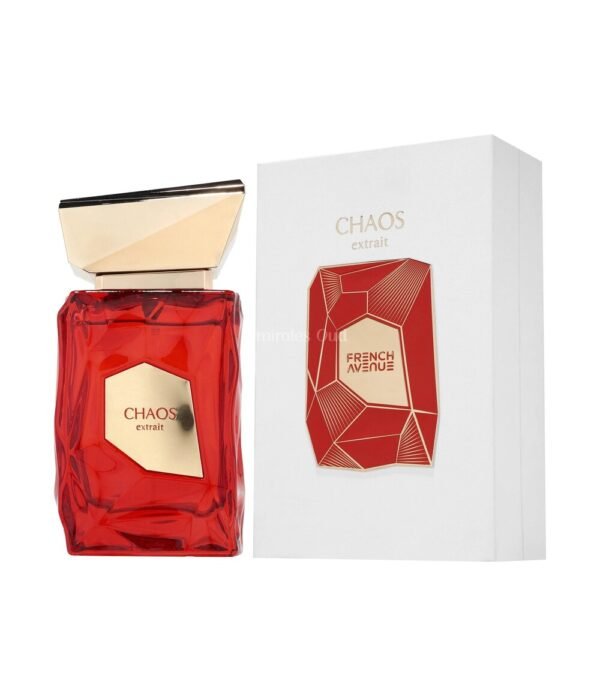
French Avenue takes the designer-adjacent lane. If you want something that reads like a niche house rather than an Arabian one, this is the shelf. Firestorm and Veneno Scarlet both sit there.
Which one should you buy
Buying your first Arabian fragrance? Lattafa, without much hesitation. The range gives you room to work out your taste, the prices make mistakes cheap, and Khamrah remains the most reliable single introduction to the category. Our full Khamrah review covers whether it suits you.
Already own a few and want something that feels a step up? French Avenue. Start with Liquid Brun, which is the bottle that built the brand’s name in the UK, or Vulcan Feu if you would rather go bright than warm. If you already know you want the heavyweight version, the Liquid Brun Limited Edition gives you 150ml at extrait strength.
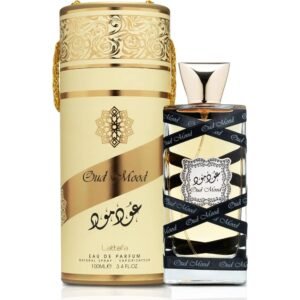
Want oud? Lattafa, comfortably. Oud Mood and Qaaed both do the job at a price French Avenue does not attempt, though Divin Aoud is the exception worth trying.
Want something nobody else at the party is wearing? French Avenue, on volume alone. Fewer people own it.
Want bright and fruity rather than warm and sweet? Vulcan Feu, and it is not a close call. Nothing in the Lattafa range occupies that mango-and-moss territory.
Want the warm spiced thing done properly? Either Royal Blend Nero or Liquid Brun from French Avenue, or Qaaed from Lattafa. Pick on price and on whether you want agarwood in the base.
Buying a gift and unsure? Lattafa. The recipient has probably heard of it, and that counts for more than most people admit when they are opening something.
Most guides comparing two houses pretend one has to lose. Plenty of our regulars own both, and they use them for different things. That is the honest answer.
If Khadlaj is also on your shortlist, we have run that comparison separately. It lands differently, because Khadlaj competes on concentration rather than polish.
Everything on our shelves
Sold-out bottles are hidden automatically, so what you see here you can order now.
Free Deliverytracked, on every UK order
Free Deliverytracked, on every UK order
Free Deliverytracked, on every UK order
Free Deliverytracked, on every UK order
Free Deliverytracked, on every UK order
Free Deliverytracked, on every UK order
Free Deliverytracked, on every UK order
Free Deliverytracked, on every UK order
Free Deliverytracked, on every UK order
Frequently asked questions
Is Lattafa or French Avenue better?
Neither is better outright. Lattafa offers more range and lower prices, making it the stronger choice for a first bottle or for exploring the category. French Avenue uses higher concentrations and more refined presentation, which suits buyers who already know what they like.
Is French Avenue the same as Fragrance World?
French Avenue sits under the Fragrance World group, so they are related rather than rivals. French Avenue is positioned as the more premium line, with higher oil concentrations and more considered packaging.
Which lasts longer, Lattafa or French Avenue?
It depends on the specific bottle rather than the brand. French Avenue releases more Extrait concentrations, which generally last longer, but Lattafa’s stronger releases match them. Concentration on the label tells you more than the house name.
Is French Avenue worth the extra money?
If you value presentation and a smoother dry-down, yes. If you want maximum range for your budget, Lattafa gives you more bottles for the same spend. Neither delivers a categorical quality gap over the other.
What is French Avenue’s best-known fragrance?
Liquid Brun, a warm woody spicy built on cinnamon, bourbon vanilla and praline. It sits in Parfums de Marly Althaïr territory and is the bottle that established the brand with UK buyers.
Are Lattafa and French Avenue the same company?
No. Lattafa is an independent Emirati house. French Avenue belongs to the Fragrance World group. They are separate businesses competing in the same market.
The short version
Lattafa wins on range, price and recognition. French Avenue wins on concentration, polish and exclusivity. Start with Lattafa if you are new, move to French Avenue when you know what you like, and ignore anyone telling you it has to be one or the other.
The genuinely useful comparison is never brand against brand. It is the bottle in front of you against the bottle you already own.



Leave a Reply