
- Free DeliveryTracked, on every UK order
- No Minimum SpendEven on a single bottle
- Same Day DispatchOrder before 2pm
Hand-picked by our fragrance team
Sold-out bottles drop off this list automatically. Everything here is ready to ship today.
Free Deliverytracked, on every UK order
Free Deliverytracked, on every UK order
Free Deliverytracked, on every UK order
Free Deliverytracked, on every UK order
100% genuine, sealed stock, shipped from our UK warehouse
By S B Shaheen, Fragrance Expert at Perfumeo. Research conducted August 2026. This page is updated as verification continues.
How we checked this. Both note lists are pulled from each fragrance’s own published pyramid rather than from retail listings, because retailers frequently publish the original fragrance’s pyramid against the clone and the error spreads as other sellers copy it. Shared notes are counted as a fraction of the original’s full pyramid. We do not quote percentages, because nobody publishes a formula and no percentage is verifiable. Where a comparison rests on community opinion rather than overlapping notes, it is labelled as opinion. We stock and handle these bottles daily, which is how several of the errors documented here came to light.
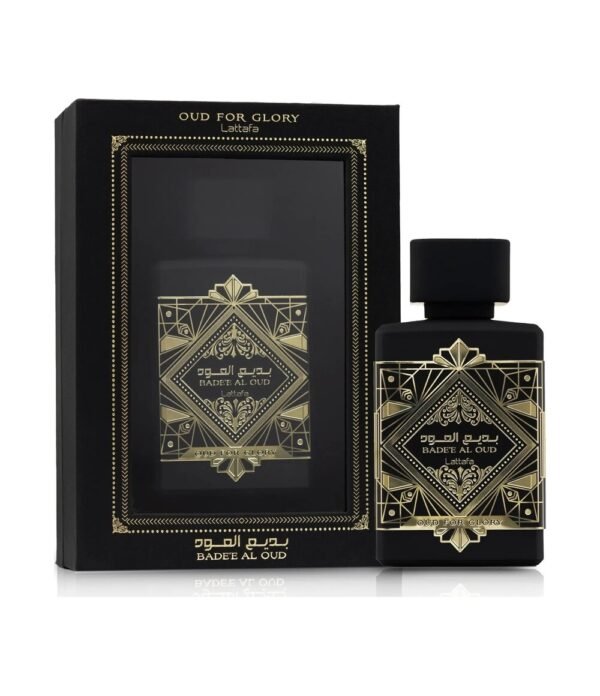
One Lattafa reproduces every single published note of a niche fragrance costing many times more. Six out of six, agreed on by the brand’s own list and by the independent listings, with two people who owned both bottles independently putting the dry-downs at around 95% identical. That bottle is Badee Al Oud Oud for Glory, and it is the quietest success in the whole range, because the dupe lists are too busy repeating the same three comparisons to mention it.
Free Deliverytracked, on every UK order
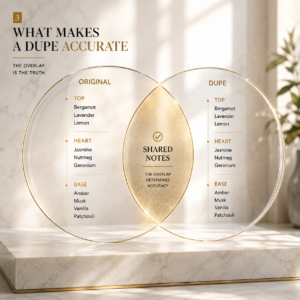
Every Lattafa dupe list online publishes match percentages. None of them explains where the number comes from. We wanted ours to mean something, so we built it by counting published notes rather than guessing at similarity, and we went to source on every single pairing.
What follows is every Lattafa we stock, matched to the designer or niche fragrance that inspired it, with an honest read on how close each one actually runs. We sell these fragrances. We would far rather you bought the right one than the most hyped one.
What “inspired by” actually means here
Lattafa works in the tradition of interpretation, and it does it openly. The house takes a scent idea the luxury market has already proved people love, builds its own formula around that idea, and sells it at a price that puts it within reach of someone who was never going to spend three figures on a bottle. That is what the word dupe means in this context, and there is nothing in it to apologise for.
What it does not mean is a copy of the juice. Nobody has the original formula. A perfumer works from the published notes, from smelling the original, and from what the market says it wants more of. So some interpretations land almost exactly on top of their inspiration, some capture the mood while building it a completely different way, and a large part of the Lattafa catalogue is not interpreting anything at all.
Knowing which of those three you are buying is the entire difference between loving a bottle and returning it.
Every Lattafa dupe we stock, and the fragrance that inspired it
| The Lattafa | Inspired by | How close it runs |
|---|---|---|
| Badee Al Oud Oud for Glory | Initio Oud for Greatness | All six published notes. Our closest match by a distance. |
| Eternal Oud | MFK Grand Soir | Every note MFK publishes, plus four of its own. |
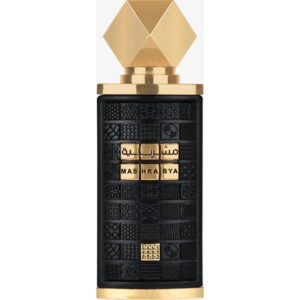
| Mashrabya | Kilian Smoking Hot | Five of Kilian’s six. The smoke is the whole point. |
| Al Qiam Gold | Louis Vuitton Ombre Nomade | Three of the four LV names. Owners rate it highly once it has rested. |
| Qaa’ed | PDM Herod | Two of the three notes Parfums de Marly publishes. |
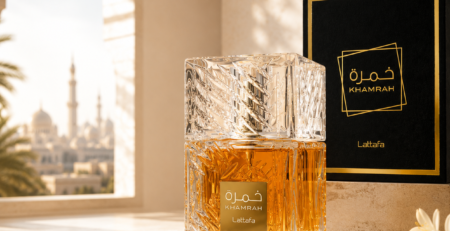
| Khamrah | Kilian Angels’ Share | Four of Kilian’s seven. An interpretation rather than a clone. |
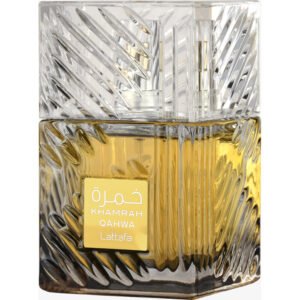
| Khamrah Qahwa | Angels’ Share, coffee direction | Community comparison. Owners are split on how close it lands. |
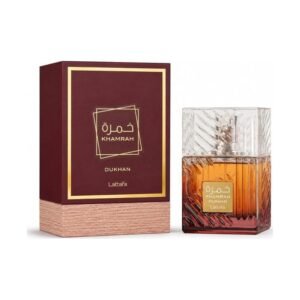
| Khamrah Dukhan | Its own smoky take on Khamrah | Sellers file it under Angels’ Share. Owners disagree, and we side with the owners. |
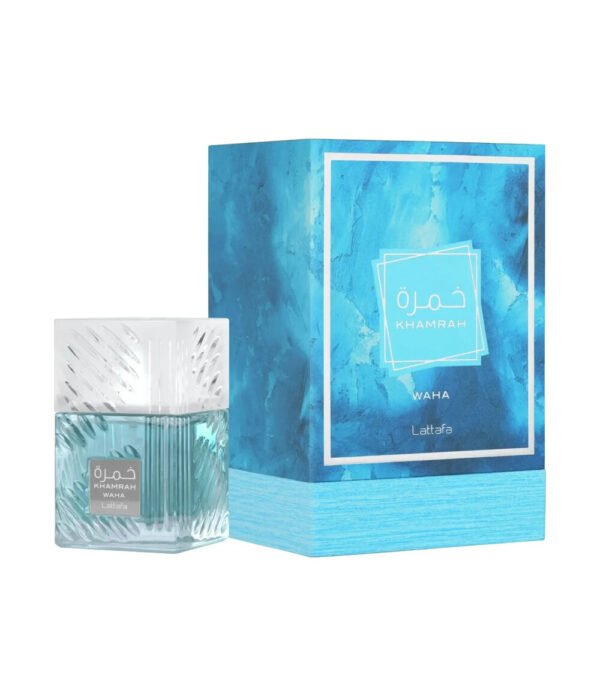
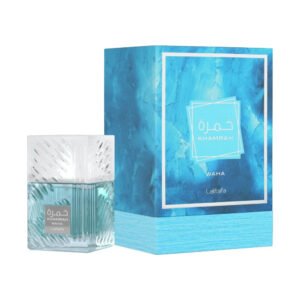
| Khamrah Waha | Nothing in the gourmand line | Goes fresh, marine and salty. A different idea wearing the family name. |
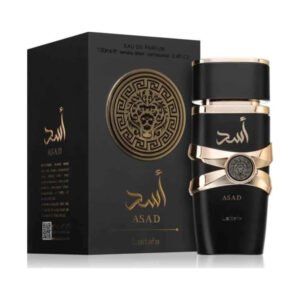
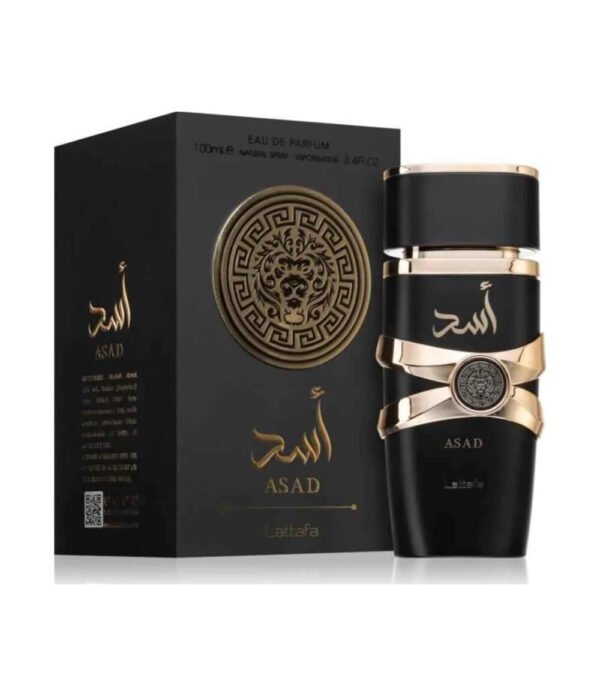
| Asad | Dior Sauvage Elixir | Two shared notes, yet the DNA reads across clearly. Owners of both rate it highly. |
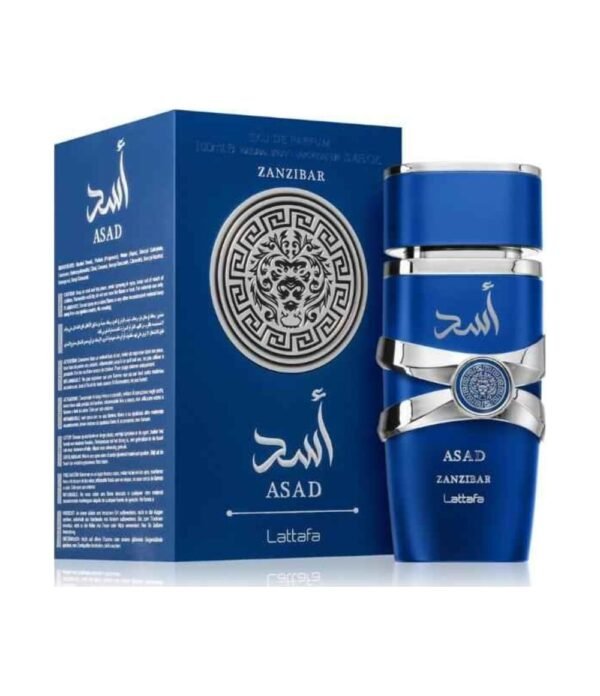
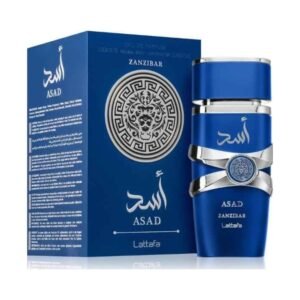
| Asad Zanzibar | JPG Le Beau | Community comparison, and contested. Others hear Invictus Victory instead. |
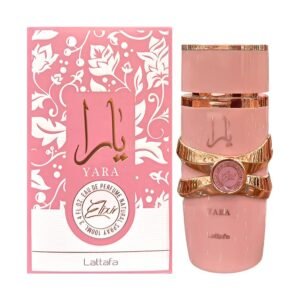
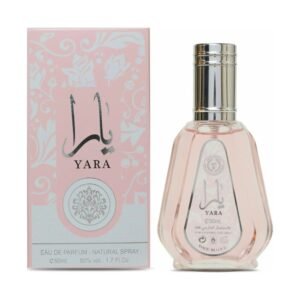
| Yara | Dior Poison Girl | Three of twelve. Same mood, different build. |
| Yara Elixir | Kayali Yum Marshmallow Blondie | Community comparison. The strawberry and marshmallow idea carries over. |
| Ameer Al Oudh Intense Oud | Replica By The Fireplace | One shared note on paper, yet owners keep calling it a lighter version. |
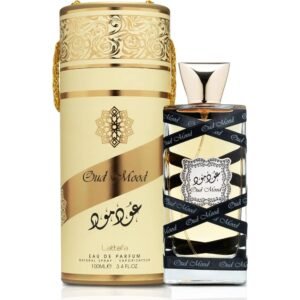
| Oud Mood | Lancome Oud Bouquet | Depends entirely which of the four Lancome versions you mean. |
| Badee Al Oud Honor & Glory | Nothing. Buy it for itself. | Affiliate lists file it under Initio purely because of the line name. It is a pineapple and creme brulee gourmand. |
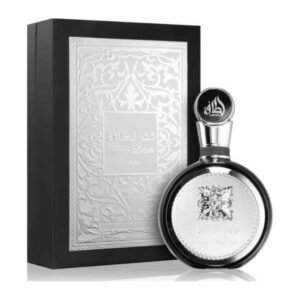
| Fakhar Extrait | Paco Rabanne 1 Million Parfum | Owners of both report struggling to tell them apart blind. |
| Fakhar Silver Black | YSL Y | Widely agreed community comparison. Softer sillage than the original. |
| Fakhar Platin | Opens like Y, then leaves | Incense and palo santo take it somewhere the original never goes. |
| Emeer | Clive Christian Town & Country | Named again and again by reviewers who own both. A genuine niche match. |
| Badee Al Oud Amethyst Fusion | Sospiro Il Padrino | Owners of both call it enjoyable but not close. Contains no oud at all. |
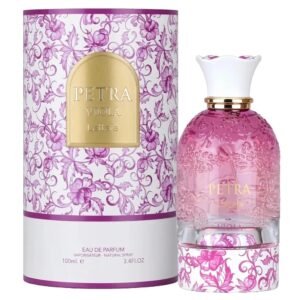
| Petra Viola | Byredo Mojave Ghost, loosely | Owners dispute it. Only the musk really carries over. |
| Badee Al Oud Black Exposed | Nothing established yet | Too new for a consensus. We will update this when one forms. |
The matches that genuinely land
Oud for Glory and Initio Oud for Greatness
Badee Al Oud Oud for Glory reproduces every note Initio publishes: saffron, nutmeg, lavender, agarwood, patchouli, musk. Six for six. Lattafa’s own site and the independent listings agree on the pyramid, which happens rarely enough to be worth saying. Two independent reviewers who owned both bottles separately put the dry-downs at around 95% identical.
It is the only pairing in this entire study that scores full marks whichever published list you count. If you want the single strongest argument for buying Lattafa at all, this is it.
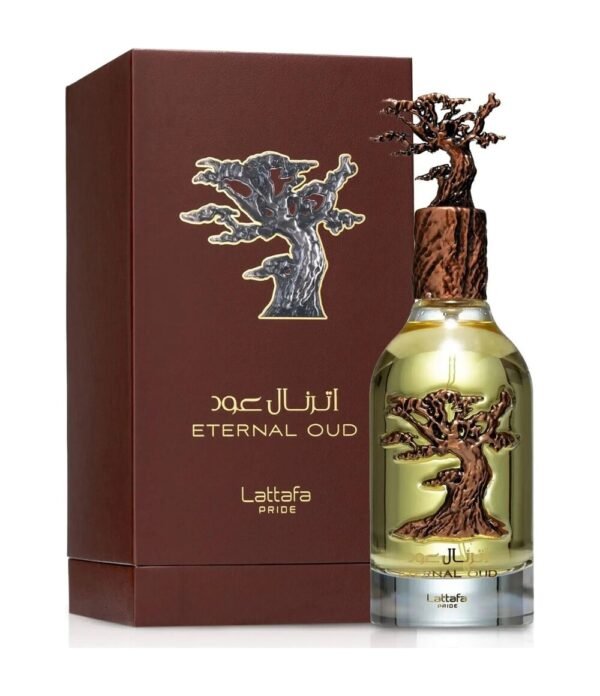
Eternal Oud and MFK Grand Soir
Eternal Oud carries every one of the five notes Maison Francis Kurkdjian publishes for Grand Soir, then adds four more of its own on top. That makes it a richer, busier reading of the same amber idea rather than a stripped-back one, which is unusual and mostly welcome.
Free Deliverytracked, on every UK order
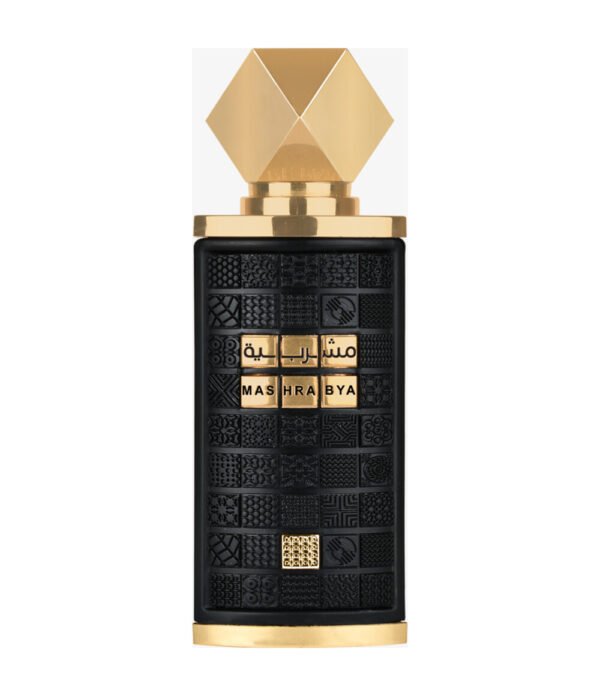
Mashrabya and Kilian Smoking Hot
Mashrabya takes five of Kilian’s six. Worth knowing: Lattafa’s own site lists the base as vanilla, caramel and patchouli, while the independent listings add oud smoke. That is not a small omission in a fragrance people buy specifically for its smokiness, and it swings the score meaningfully depending which list you count.
Free Deliverytracked, on every UK order
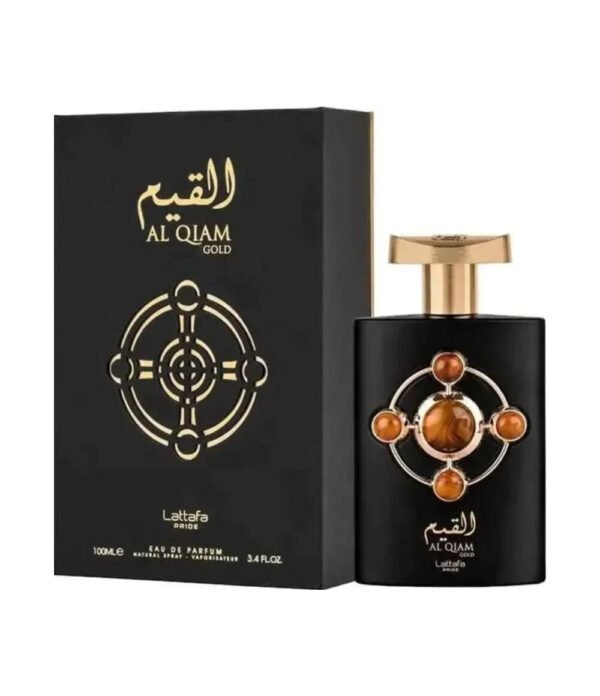
Al Qiam Gold and Louis Vuitton Ombre Nomade
Al Qiam Gold hits three of the four notes Louis Vuitton names. One reviewer rated it at 95% to the original, and specified that was after four months of home maceration, which tells you as much about patience as it does about the formula.
Free Deliverytracked, on every UK order
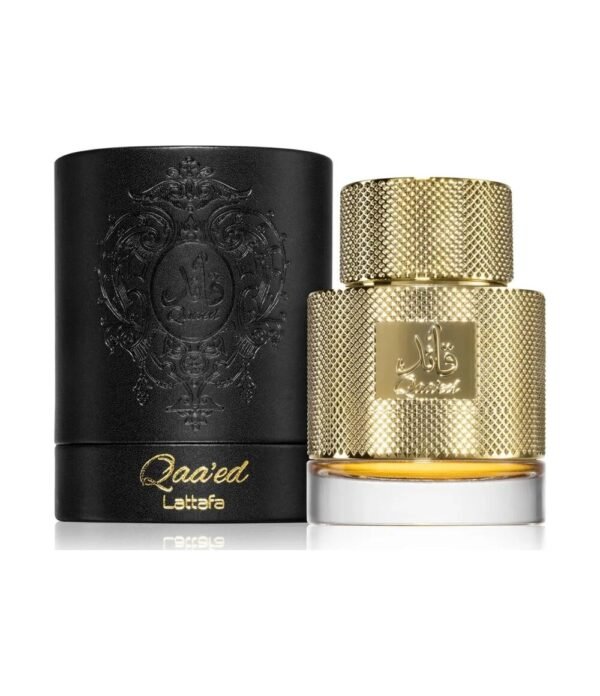
Qaa’ed and PDM Herod
Qaa’ed shares two of the three notes Parfums de Marly publishes for Herod. Against the fuller thirteen-note entry published elsewhere the overlap looks thinner, which is a scoring artefact rather than a change in the juice, and we explain why further down.
Free Deliverytracked, on every UK order
Great fragrances, looser matches
The Khamrah family
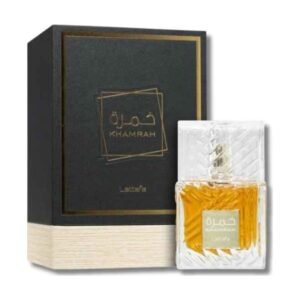
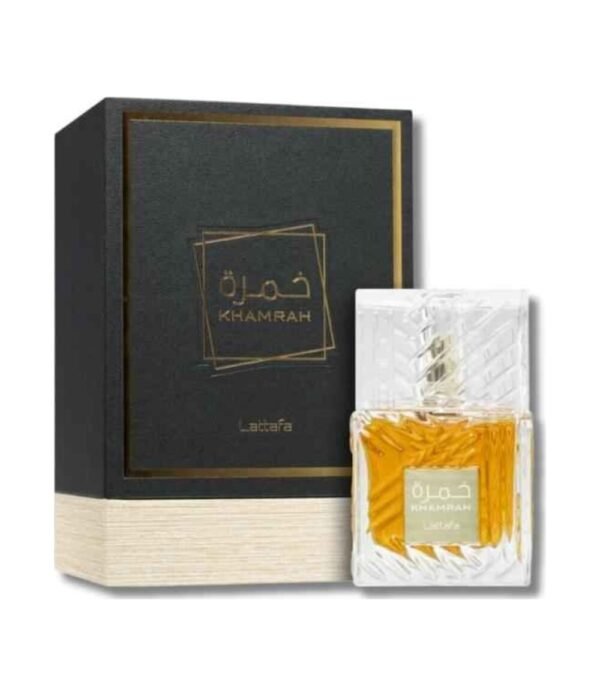
Khamrah shares four of Kilian Angels’ Share’s seven published notes: cinnamon, praline, vanilla and tonka bean. It does not contain cognac, which is the note the entire Kilian is built around. So it reads as an interpretation of the idea rather than a clone of the fragrance, and the dates accord it uses instead is genuinely its own. This is the bottle that pulled thousands of UK buyers into Arabian perfume, and it earned that on its own merits. Our full Khamrah review goes deeper.
Free Deliverytracked, on every UK order
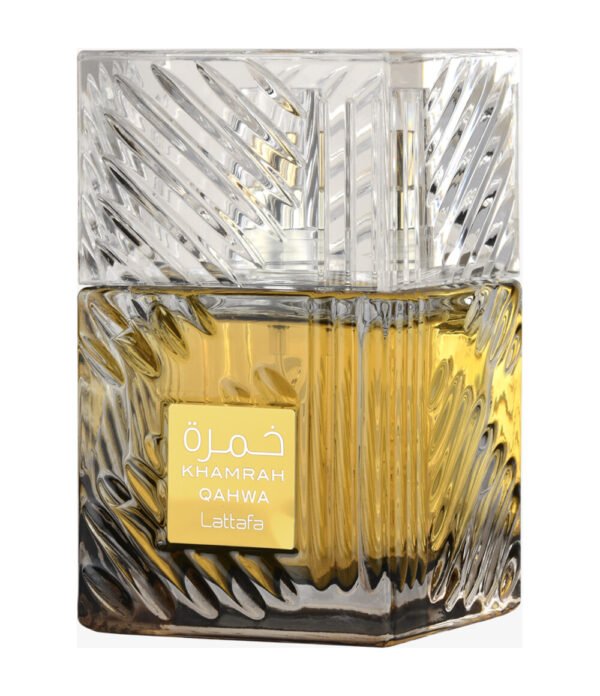
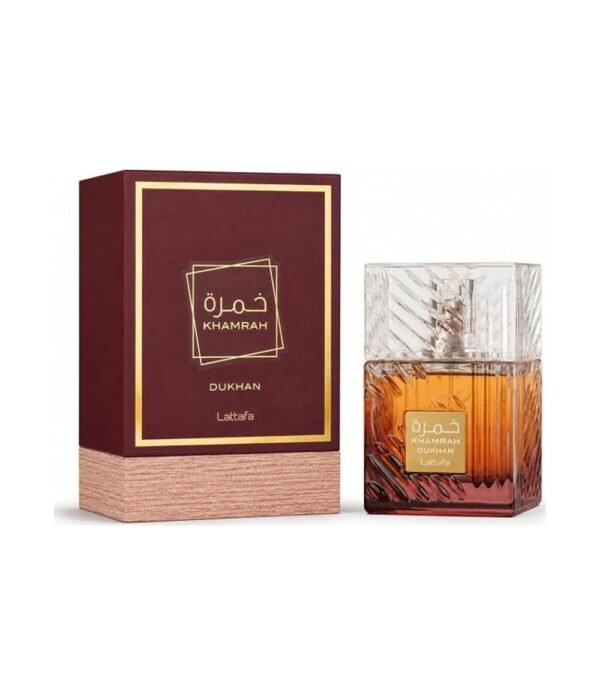
Qahwa pushes the same DNA towards roasted coffee and caramel. Owners split on whether it lands closer to Angels’ Share than the original does. Dukhan is the one worth correcting the internet on: sellers list it as an Angels’ Share dupe, but people who own both are direct that it is not, and describe it instead as Lattafa taking the Khamrah base somewhere smokier and more serious. We agree with them. Waha abandons the gourmand line entirely for something fresh, salty and marine.
Free Deliverytracked, on every UK order
Free Deliverytracked, on every UK order
Free Deliverytracked, on every UK order
The Asad family
Asad is sold everywhere as a Sauvage Elixir dupe and shares two notes with it. On paper that looks weak. In practice reviewers who own both keep reporting that the spicy, ambery character reads across convincingly, which is a useful reminder that note counting measures the formula rather than the effect.
Free Deliverytracked, on every UK order
Asad Zanzibar is a different animal altogether, built by perfumer Fanny Bal around lavender, black pepper, coconut water, iris, salt, vanilla and incense. Most comparisons point at JPG Le Beau, though plenty of owners hear Invictus Victory or Hawas instead. Nobody agrees, which usually means the fragrance is doing something of its own.
Free Deliverytracked, on every UK order
The Yara family
Yara gets compared endlessly to Dior Poison Girl and shares three of its twelve notes, carrying neither of the roses the Dior is built on. Worth noting that Dior’s own page names only three ingredients and describes the heart as a bouquet of sensual flowers without naming a single one, so any precise score against it is manufactured.
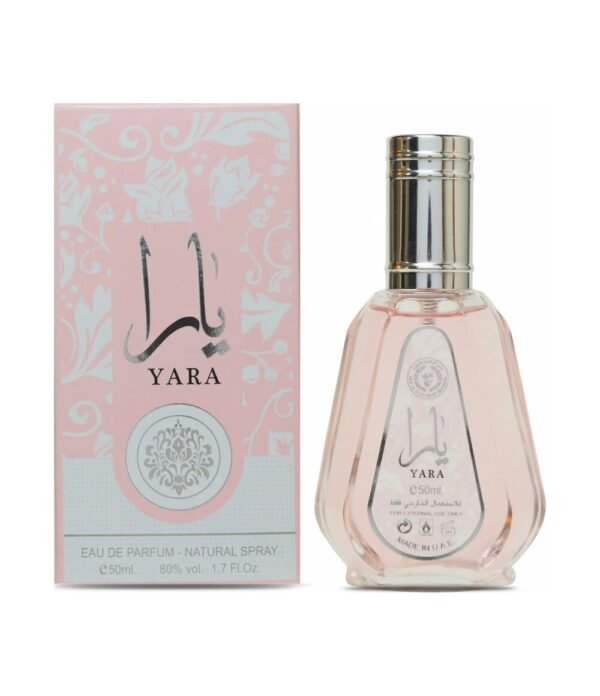
Yara Elixir heads towards Kayali’s Yum Marshmallow Blondie, built on strawberry s’mores, blackcurrant, jasmine, orange blossom, vanilla, caramel and amber. Yara Moi has no established inspiration and is the softer, creamier one of the set.
Ameer Al Oudh Intense Oud and Oud Mood
Ameer Al Oudh Intense Oud shares exactly one note with Replica By The Fireplace, and wearers still independently describe it as a lighter version of it. Smoke from oud and smoke from guaiac wood read similarly to a nose and count separately on paper. Take it as proof that a low count is not a verdict.
Oud Mood scores anywhere from 33% to 60% against Lancome Oud Bouquet depending which of the four Lancome versions you compare it to. Same two bottles, wildly different answer.
The Fakhar line, and why it confuses everyone
Fakhar Extrait is the standout and almost nobody talks about it. Reviewers who own Paco Rabanne 1 Million Parfum describe it as brighter and more citrus-edged, then admit they would probably fail a blind test between the two. Grapefruit, cardamom and pink pepper over tuberose, then amber, cashmeran and leather underneath.
Fakhar Silver Black is the one people mean when they name YSL Y, and it carries that comparison well if you accept softer sillage. Fakhar Platin opens in the same territory then walks away from it, swapping the finish for incense, palo santo and sandalwood. Buy Platin for that dry-down or not at all.
The reason the Fakhar name causes so much trouble is that Lattafa sells Fakhar, Fakhar Black, Fakhar Women, Fakhar Rose, Fakhar Platin and Fakhar Extrait, and sellers treat several as interchangeable when they are nothing of the sort.
Emeer and Clive Christian Town & Country
Emeer is the most underrated bottle in this guide. Lemon, bergamot, clary sage and juniper open it, white tea, sandalwood, cardamom and olibanum sit in the middle, and ambergris, cedarwood, cashmeran and patchouli close it. Reviewer after reviewer who owns the Clive Christian names it unprompted, which is the kind of independent agreement that usually means something.
The two where we disagree with the internet
Badee Al Oud Amethyst Fusion gets sold as a Sospiro Il Padrino match. People who own Il Padrino say it is deeper, more syrupy and better blended, and that you will be disappointed if you buy expecting a replica. Buy Amethyst Fusion because amaretto, rum, caramel and vanilla is a lovely combination, not because of the comparison. Note too that despite the Badee Al Oud name it contains no agarwood whatsoever.
Petra Viola, built by perfumer Alex Lee around raspberry, violet, cotton candy and musk, keeps getting called a Mojave Ghost dupe. Owners push back on that, and we agree with them: the musk is the only real link, and Petra Viola is considerably sweeter. It is a good fragrance wearing somebody else’s label.
The Lattafas that are nobody’s copy
A large part of the range is not interpreting anything, and no credible source claims otherwise. Dupe lists leave these out because a fragrance with no expensive name attached earns nobody a click, which makes the catalogue look far more derivative than it actually is.
Eternal Vanille is the clearest case. Reviewers across the major databases state directly that Lattafa built something with its own character, and the only comparison anyone offers is vague and unattributed. Raghad, Jasoor, Al Dur Al Maknoon Silver, Atlas, Ana Abiyedh, Ajayeb Dubai Portrait and Shaheen Silver are all the same: widely sold, never seriously described as versions of anything else, and all the better for it.
If you have only ever bought Lattafa on the strength of a comparison, these are the ones to try next. Nothing to measure them against, nothing to feel short-changed by. The full Lattafa collection has the rest.
Watch the name collisions
Most of the bad advice online comes from people matching names rather than fragrances. Ana Abiyedh is not the one people mean when they name Baccarat Rouge 540: that is Ana Abiyedh Rouge, a different fragrance. Al Qiam Gold and Al Qiam Silver are different. Ameer Al Oudh from 2016 and Ameer Al Oudh Intense Oud from 2021 are different. Qaa’ed and Qaed Al Fursan are unrelated fragrances four letters apart. Oud Mood, Oud Mood Elixir and Oud Mood Reminiscence Silver share a name and little else.
We made one of these errors ourselves during this research, working from retailer copy before switching to source data.
How we scored these
Our question is countable: how many of the original’s published notes does the Lattafa reproduce? Not how similar it smells, which is subjective and skin-dependent. Anyone can repeat the count.
Source hierarchy. The brand’s own website first, for both fragrances. Independent listings where a brand publishes nothing. Regional brand sites excluded, though we record where they diverge. Where a brand publishes both a full description and a short summary, we use the full description.
What we exclude. Automated pros and cons boxes on the big databases carry a disclaimer stating they are AI-generated and may be inaccurate, and several circulate percentage claims. We do not cite them. Retailer product copy is excluded entirely, including our own.
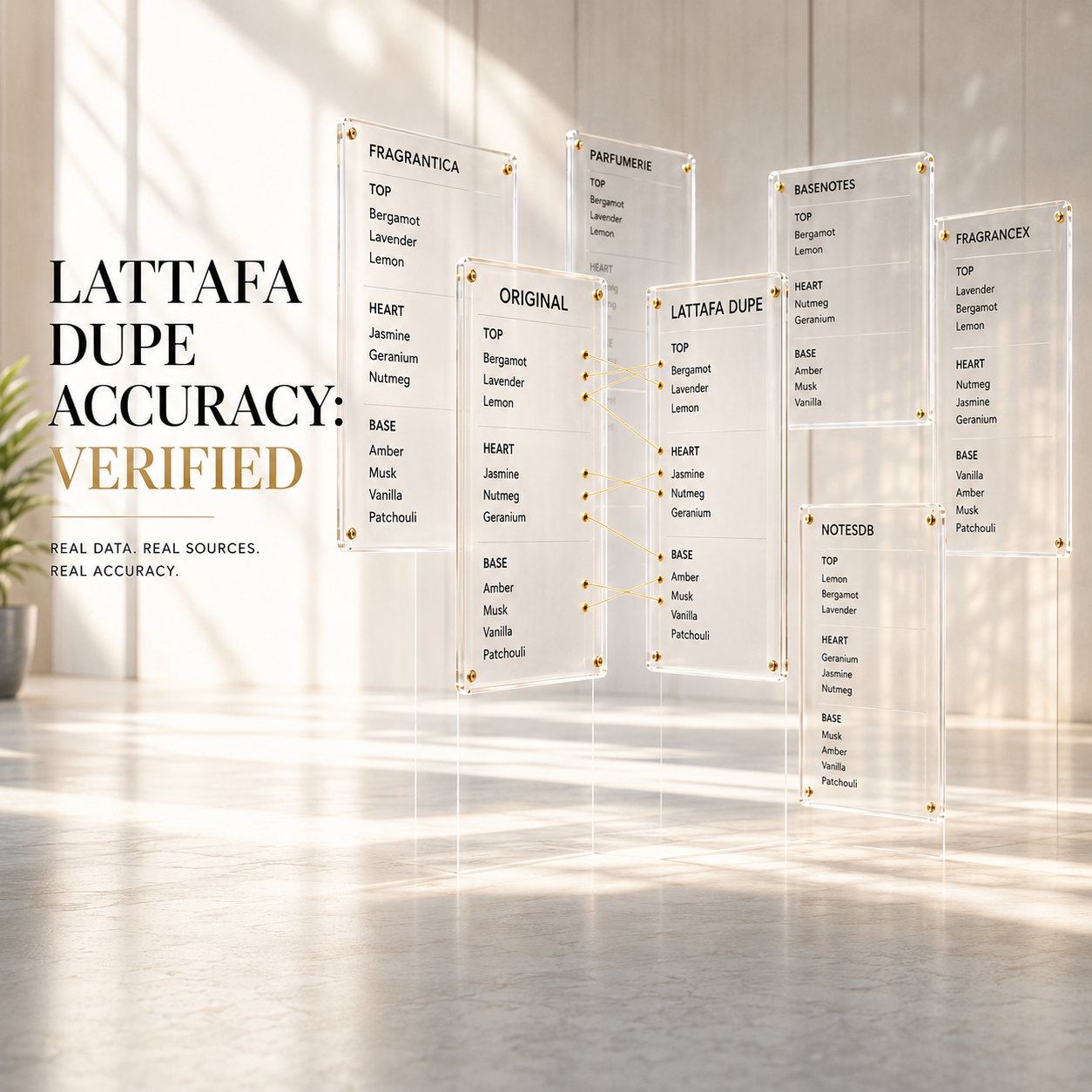
Here are the verified pairs in two columns, because the answer genuinely depends on which published list you count.
| Lattafa | Original | Against brand list | Against independent list |
|---|---|---|---|
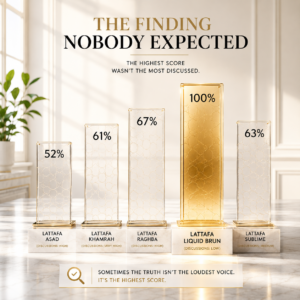
| Badee Al Oud Oud for Glory | Initio Oud for Greatness | 6 of 6, 100% | 6 of 6, 100% |
| Eternal Oud | MFK Grand Soir | 5 of 5, 100% | 5 of 9, 56% |
| Mashrabya | Kilian Smoking Hot | 5 of 6, 83% | 5 of 10, 50% |
| Al Qiam Gold | LV Ombre Nomade | 3 of 4, 75% | 4 of 9, 44% |
| Qaa’ed | PDM Herod | 2 of 3, 67% | 4 of 13, 31% |
| Khamrah | Kilian Angels’ Share | 4 of 7, 57% | 4 of 9, 44% |
| Asad | Dior Sauvage Elixir | 2 of 9, 22% | 2 of 10, 20% |
| Badee Al Oud Honor & Glory | Initio Oud for Greatness | 0 of 6, 0% | 0 of 6, 0% |
Only one pair scores identically in both columns, and Eternal Oud moves by 44 points between them.
The gap exists because luxury houses publish abbreviated note lists as marketing rather than formula disclosure. Parfums de Marly names three notes for Herod. MFK names five for Grand Soir. Kilian names six for Smoking Hot. The independent listings give thirteen, nine and ten. Lattafa, meanwhile, publishes detailed pyramids of eight to thirteen notes. Scoring a detailed list against a minimal one inflates the result every time, in the same direction. Any site publishing a single confident percentage has quietly made that choice for you.

Why the published data disagrees with itself
This is the part that changed the project, and it is why we counted rather than copied.
Lattafa’s own website publishes note lists that disagree with the independent listings for the same product. Yara Moi shares two notes across the two published pyramids. Oud Mood Silver shares none at all. For Khamrah, Lattafa lists nutmeg where the independent listings give clary sage, and Lattafa names dates specifically where they hedges with sweet fruity notes, which is a striking omission given dates are the most identifiable thing in the fragrance. There the brand list is the better one.
Fakhar is the worst case we found. The independent entry for Fakhar Black gives apple, bergamot and ginger over lavender, sage, juniper and geranium. Walmart sells Fakhar for Men as silkwood blossom and mandarin over night-blooming cereus and Bulgarian rose. Our own listing gives a third pyramid entirely. Only bergamot appears on more than one, nothing appears on all three, and Lattafa sells Fakhar, Fakhar Black, Fakhar Women, Fakhar Rose, Fakhar Platin and Fakhar Extrait with the market treating several as interchangeable.
Retailers make it worse. One sells Eternal Vanille listing Eternal Oud’s pyramid, a different fragrance in the same line. Another lists Oud for Glory’s base notes as “initio oud wood, patchouli and musk”, having pasted a competitor’s brand name into the ingredient list. Databases disagree too: one database dates Eternal Vanille to 2025 and calls it gourmand, another dates it 2026 and calls it smoky-spicy.
And the originals move. Sauvage Elixir batches produced after 2025 are reported as drier and woodier than earlier ones. Lancome Oud Bouquet exists in at least four versions across 2014, 2016, 2018 and 2024. Comparing a 2026 Lattafa to a 2022 Dior is not the same exercise as comparing it to a 2026 one, and no dupe list anywhere accounts for that.
Which Lattafa dupe should you buy?
Want the closest match we have found? Badee Al Oud Oud for Glory. Full marks on both lists, and saffron, nutmeg, lavender and agarwood is a beautiful combination regardless of what it resembles.
Want the one everybody recognises? Khamrah, then work outwards through Dukhan, Qahwa and Waha.
Want smoke and wood? Mashrabya for the sweeter, more polished version. Ameer Al Oudh Intense Oud for the drier one. Our best oud perfumes guide covers the wider field.
Want something that reads expensive? Emeer for the woody citrus route, Fakhar Extrait for the sweeter one. These two are the range’s most underrated bottles and both punch far above where they sit.
Want something sweet and modern? Yara Elixir or Eternal Vanille.
Want no comparison attached at all? Atlas, Jasoor or Raghad.
Not sure yet? Sample first, especially when the comparison is the reason you are buying. Our sample range exists largely for that, and taking a few together costs less than taking them one at a time.
Then give whatever you buy four to six weeks before judging it. The maceration effect is real and it is large enough to change verdicts. One reviewer found Fakhar Black harsh on first wear and only convincing after six months.
Everything on our shelves
Sold-out bottles are hidden automatically, so what you see here you can order now.
Free Deliverytracked, on every UK order
Free Deliverytracked, on every UK order
Free Deliverytracked, on every UK order
Free Deliverytracked, on every UK order
Free Deliverytracked, on every UK order
Free Deliverytracked, on every UK order
Free Deliverytracked, on every UK order
Free Deliverytracked, on every UK order
Free Deliverytracked, on every UK order
Free Deliverytracked, on every UK order
Free Deliverytracked, on every UK order
Frequently asked questions
Which Lattafa is the closest dupe?
Badee Al Oud Oud for Glory against Initio Oud for Greatness. It reproduces all six published notes, brand and database agree on the pyramid, and two independent owners of both put the dry-downs at around 95% identical.
Is Khamrah a dupe of Angels’ Share?
It shares four of Kilian’s seven published notes: cinnamon, praline, vanilla and tonka bean. It does not contain cognac, the note Angels’ Share is built around. An interpretation rather than a clone, and a very good fragrance on its own terms.
What is Lattafa Asad inspired by?
Dior Sauvage Elixir. It shares two notes on paper, but owners of both consistently report the spicy ambery character carrying across, which is why it remains one of the range’s best sellers.
Are Lattafa perfumes fake or copies?
Neither. Lattafa is a licensed Dubai perfume house founded in 1980 that produces its own formulas, some interpreting popular scent profiles and many original. Every bottle we sell arrives sealed and batch-coded.
How accurate are Lattafa dupe percentages online?
Most are unsourced. No retailer or blog is running laboratory analysis, and the underlying note data varies between the brand’s own website, the independent databases and individual sellers. A percentage without a stated method and source is a marketing device.
Does a low score mean the dupe is bad?
No. It means the formulas differ on paper. Ameer Al Oudh shares one note with Replica By The Fireplace and owners still describe it as a lighter version, because different materials produce similar effects.
How often is this page updated?
As verification continues. Pairs move between the tables as brand-source checks complete.
Method notes for anyone checking our working
Scores count unique notes, not pyramid positions. Where a note appears in two tiers of the same pyramid we count it once. Near-matches are not counted: amber and amberwood are treated as different notes, as are vanilla and bourbon vanilla where a brand distinguishes them. We do not average conflicting sources. Where sources disagree we state both and name which we used.
If you spot an error, tell us and we will correct it and say so. That is the whole point of publishing the method.
Related reading: Lattafa vs Khadlaj, Lattafa vs French Avenue and perfume strength levels explained.
Leave a Reply