

- Free DeliveryTracked, on every UK order
- No Minimum SpendEven on a single bottle
- Same Day DispatchOrder before 2pm
Hand-picked by our fragrance team
Sold-out bottles drop off this list automatically. Everything here is ready to ship today.
Free Deliverytracked, on every UK order

Free Deliverytracked, on every UK order

Free Deliverytracked, on every UK order
100% genuine, sealed stock, shipped from our UK warehouse
By S B Shaheen, Fragrance Expert at Perfumeo. Last updated October 2026.
Notes work together in two ways. They either reinforce each other because they share a quality, or they contrast so that each one stops the other dominating. Almost every classic pairing in perfumery is one or the other.
Once you can see which is happening, choosing a fragrance stops being guesswork and shopping gets considerably faster.
The two rules that explain everything
Reinforcement. Two materials sharing a characteristic make that characteristic louder and rounder. Vanilla and tonka both carry sweet, hay-like warmth, so putting them together gives you more warmth rather than a new idea. This is how you get depth.
Contrast. Two materials pulling in opposite directions hold each other in check. Rose is bright and sharp, oud is dark and animalic, and neither takes over. This is how you get interest.
A good composition usually does both. A reinforced base for weight, a contrast somewhere higher up to stop it being boring.
Pairings that work, and what they build
| Why it works | What it builds | |
| Vanilla and tonka | Both carry sweet, hay-like warmth, so they reinforce rather than compete | The backbone of almost every gourmand on the market |
| Rose and oud | Oud is dark and animalic, rose is bright and sharp, and each stops the other dominating | The defining pairing of Arabian perfumery |
| Cinnamon and vanilla | Spice gives vanilla an edge and keeps it from reading as dessert alone | Warm spicy gourmands, and most of the winter bestsellers |
| Bergamot and vetiver | Citrus lifts the opening, earthy grass root anchors it, and the two share a green quality | Clean, dry, office-appropriate fragrance |
| Lavender and tonka | Herbal sharpness against sweet hay, a contrast perfumers have used for over a century | The fougere family, which is most classic men’s fragrance |
| Saffron and leather | Saffron is metallic and slightly medicinal, leather is dry and smoky, and together they read expensive | Modern niche-style compositions |
| Labdanum and benzoin | Sticky resin plus sweet balsam, the two halves of the amber accord | The warm base under most Arabian and oriental fragrance |
These are not arbitrary. Most have been in use for a century or more, and when you recognise one on a listing you can predict a great deal about how the bottle will wear.
The most versatile notes
If you want one fragrance that goes everywhere, look for these. They are the materials that cause the fewest problems across seasons, settings and the people around you.
- Bergamot. Lifts almost anything without adding a character of its own. It opens more fragrances than any other single material.
- Cedar. Dry, clean and quietly woody. It reads as smart in an office and causes no offence anywhere.
- Light musk. The closest thing to wearing nothing while still smelling deliberate.
- Sandalwood. Creamy and soft, and almost nobody dislikes it.
- Vanilla in small amounts. Warm and comforting. The qualifier matters, because vanilla in large amounts is the opposite of versatile.
- Vetiver. Earthy and dry, and it works in both hot and cold weather, which is rare.
The least versatile, for balance: heavy oud, thick gourmands, tuberose and anything strongly smoky. These are all worth owning. None of them is worth owning first.
What makes a good signature scent
A signature is the fragrance people associate with you, which means it has to survive constant repetition. Three things decide whether it will.
It cannot be exhausting. The loudest bottle on your shelf is the wrong candidate. Something you can wear four days a week without tiring of it will nearly always be moderate rather than extreme.
It has to suit more than one setting. If it only works on a night out, it is an occasion fragrance. A signature needs to survive work, daylight and a supermarket run.
It should sit near your natural preference rather than at the edge of it. Pull up the note lists of three fragrances you already enjoy and look for what repeats. Most people find two or three materials turning up every time, usually in the base. That repeated material is your actual taste, and it is a far better guide than any family label.
Once you know it, shop by it. If vanilla and tonka keep appearing, start with gourmands. If it is cedar and vetiver, do not let a bestseller list talk you into something sweet.
How to choose, practically
Work in this order and you will waste less money.
Read the base first. It decides how the fragrance ends and how long it lasts. A heavy base of woods, resins or vanilla means longevity. A thin one means an early fade whatever the marketing says.
Then read the heart. That is the fragrance for most of the time you wear it. If you dislike the heart notes, the bottle is wrong for you no matter how good the opening smells in a shop.
Ignore the top if you are buying online. It is the least representative part and the first to vanish.
Check for a contrast. A list that is all sweet or all woody often wears flatter than one with something cutting across it. The contrast is usually what makes a fragrance interesting on the second wear rather than only the first.
If any of the note names are unfamiliar, our guide to the twelve most confusing fragrance notes covers the ones that cause the most trouble, and what fragrance notes are explains the structure itself.
Combinations in our own stock
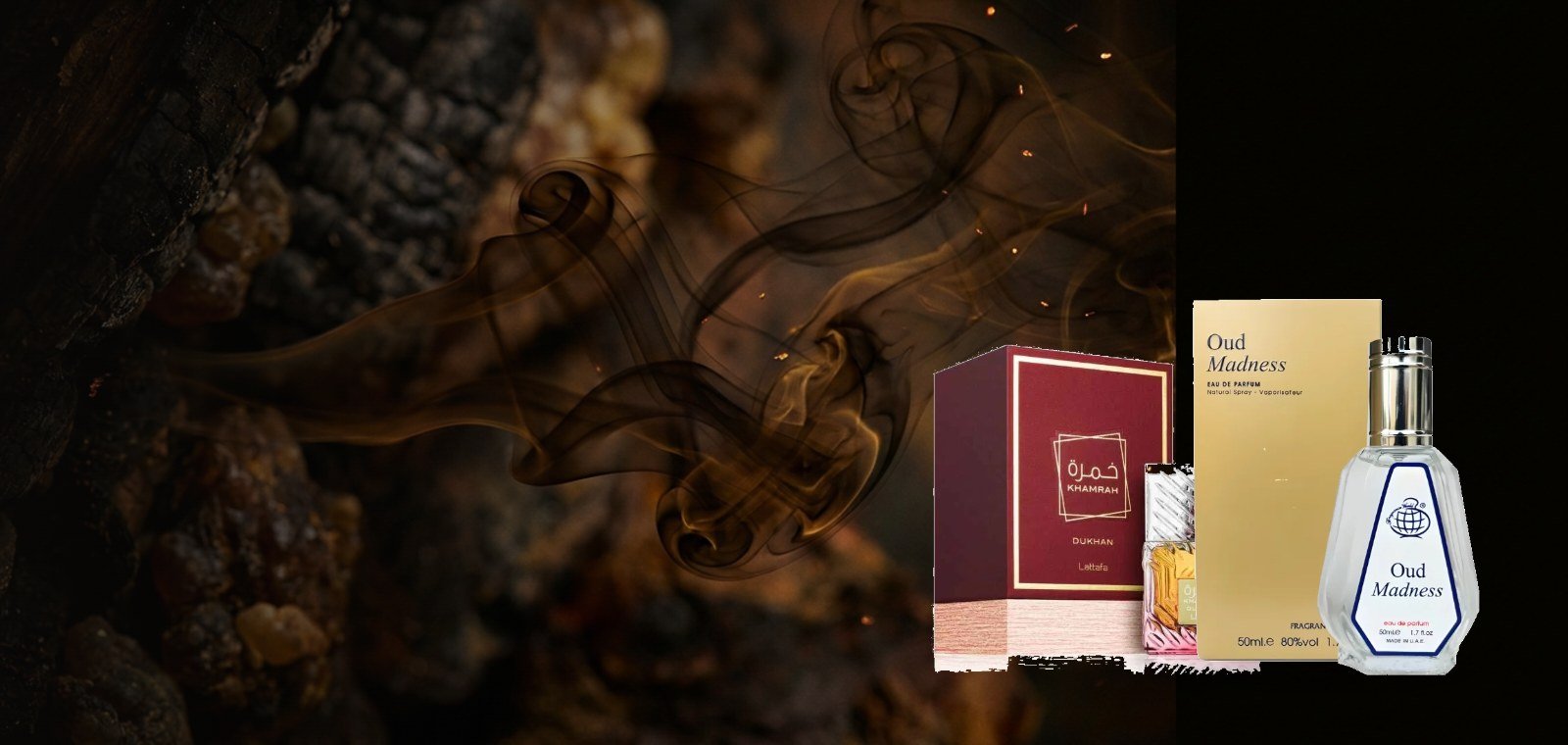
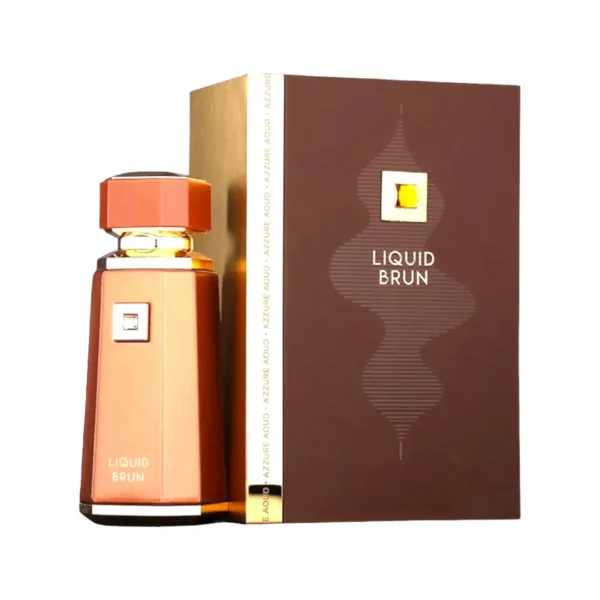
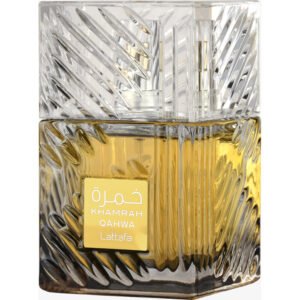
Cinnamon and vanilla, the warm spicy gourmand, is best shown by Khamrah and Liquid Brun. Same broad idea, different balance, and we compare them directly in Khamrah against Liquid Brun.

Free Deliverytracked, on every UK order
Free Deliverytracked, on every UK order
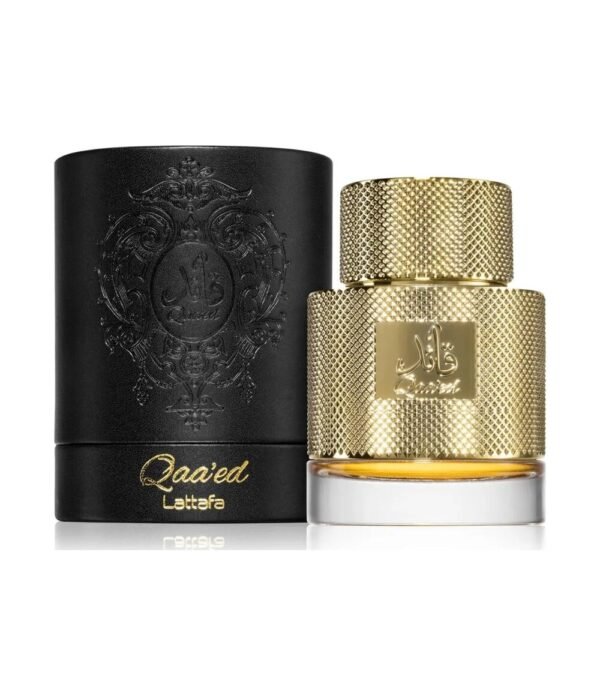
Saffron, wood and leather appears in Qaaed, which runs cinnamon and cardamom into saffron and sandalwood before landing on vanilla, agarwood, amber and leather. A textbook example of reinforcement in the base with contrast higher up.
Free Deliverytracked, on every UK order
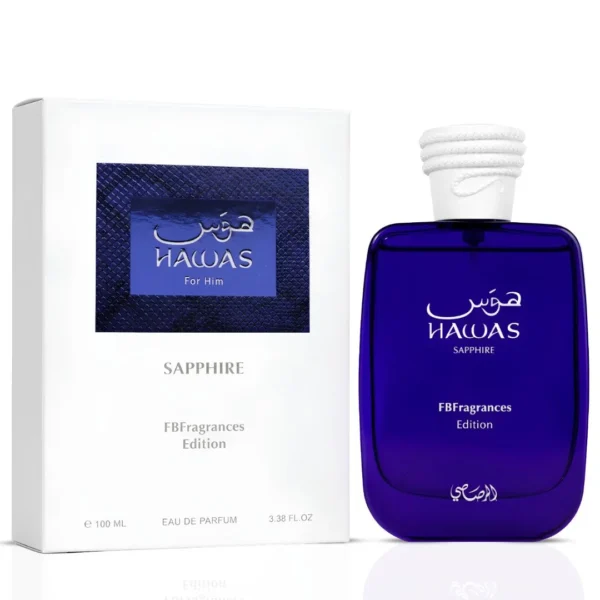
Ambergris and musk carry Hawas Sapphire, which is the skin-scent route rather than the statement route.
Free Deliverytracked, on every UK order
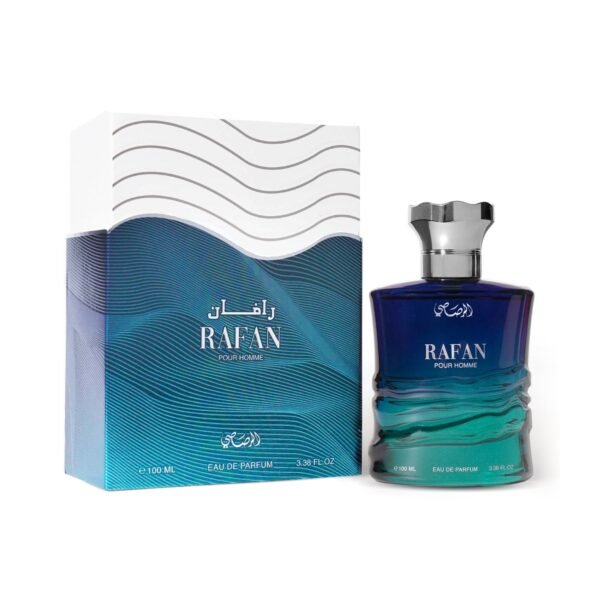
Oakmoss against fresh notes gives Rafan For Him its drier, more grown-up shape.
Can you layer two fragrances?
Yes, and the rules above still apply. Share a note or contrast deliberately, and keep the total light.
The reliable approach is to spray the heavier fragrance first, let it settle for a minute, then add one spray of the lighter one on top. Two sprays of each is four sprays of strong fragrance, not four sprays of something weak, and that is where most layering goes wrong.
Pairs that share a base note are the safest place to start. Two unrelated gourmands usually just fight.
Everything on our shelves
Sold-out bottles are hidden automatically, so what you see here you can order now.
Free Deliverytracked, on every UK order
Free Deliverytracked, on every UK order
Free Deliverytracked, on every UK order
Free Deliverytracked, on every UK order
Free Deliverytracked, on every UK order
Free Deliverytracked, on every UK order

Free Deliverytracked, on every UK order
Free Deliverytracked, on every UK order
Free Deliverytracked, on every UK order
Free Deliverytracked, on every UK order
Free Deliverytracked, on every UK order
Frequently asked questions
What fragrance notes go together?
Notes pair well either by sharing a quality or by contrasting. Reliable combinations include vanilla with tonka, rose with oud, cinnamon with vanilla, bergamot with vetiver, lavender with tonka, and labdanum with benzoin. Most have been standard in perfumery for a century.
Which fragrance notes are most versatile?
Bergamot, cedar, light musk, sandalwood, vetiver and vanilla in small amounts. These work across seasons and settings and rarely bother anyone nearby. Heavy oud, thick gourmands and tuberose are the least versatile, though they are all worth owning eventually.
What makes a good signature scent?
Something moderate enough to wear repeatedly, flexible enough for more than one setting, and close to the preferences you already have. Check the note lists of three fragrances you like, find the material that repeats, and shop around that rather than around a bestseller list.
How do I choose fragrance notes I will actually like?
Read the base first, because it decides longevity and how the fragrance ends. Then read the heart, which is what you will smell for most of the wear. Ignore the top notes when buying online, since they fade fastest and tell you least.
Can you layer two fragrances together?
Yes, if they share a note or contrast deliberately. Spray the heavier one first, let it settle, then add one spray of the lighter one. Keep the total to three or four sprays, because layering two strong fragrances at full strength is the usual mistake.
Do more notes make a better fragrance?
No. A long list usually reflects what a brand wanted to advertise rather than how good the composition is. Some of the most admired fragrances are built on three or four materials used well.
About the author
S B Shaheen runs Perfumeo, a UK retailer of Arabian and designer fragrance, and writes the guides published here. He buys and wears the stock the shop sells. Read more about the author.






Leave a Reply