
- Free DeliveryTracked, on every UK order
- No Minimum SpendEven on a single bottle
- Same Day DispatchOrder before 2pm
Hand-picked by our fragrance team
Sold-out bottles drop off this list automatically. Everything here is ready to ship today.
Free Deliverytracked, on every UK order

Free Deliverytracked, on every UK order
Free Deliverytracked, on every UK order
Free Deliverytracked, on every UK order
100% genuine, sealed stock, shipped from our UK warehouse
By S B Shaheen, Fragrance Expert at Perfumeo. Last updated October 2026.
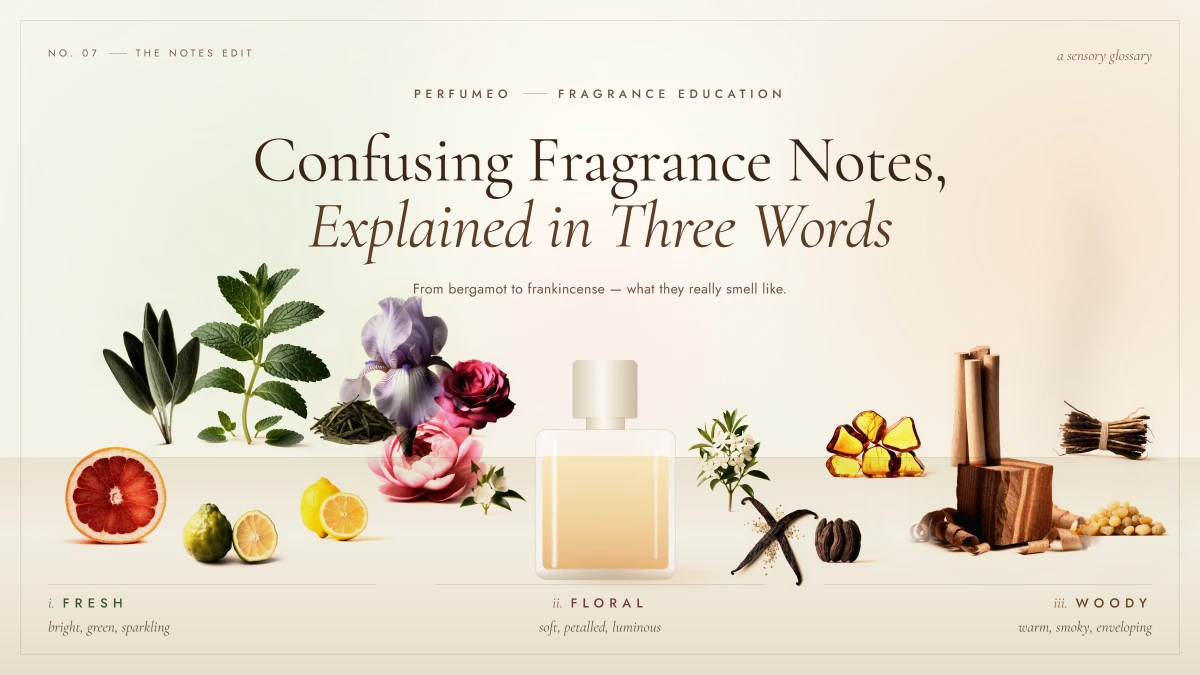
Fragrance note lists are written for people who already know what the words mean. Nobody explains them, so you end up buying a bottle that promises labdanum and olibanum with no idea whether that means sweet, smoky or neither.
Here are the twelve that cause the most confusion, each one in three words, then properly. Everything below was checked against the actual regulations and the published chemistry rather than against other blogs, because a lot of what circulates about these is simply wrong.
| In three words | The catch | |
| Amber | Warm resin accord | A blend, not an ingredient |
| Ambergris | Salty skin warmth | From a whale, legal here |
| Ambroxan | Clean skin musk | Genuinely is ambergris |
| Amberwood | Dry abstract woods | Neither amber nor wood |
| Labdanum | Sticky honeyed resin | What amber actually smells like |
| Olibanum | Cool church smoke | Frankincense, same thing |
| Benzoin | Sweet balsamic vanilla | A balsam, not vanilla |
| Oakmoss | Damp forest floor | A lichen, restricted not banned |
| Vetiver | Earthy grass root | A grass, not a wood |
| Orris | Cold powdery violet | Iris rhizome, aged for years |
| Tonka bean | Almond, hay, vanilla | A seed, capped not banned |
| Civet | Warm animal funk | Synthetic now, nothing killed |
The amber problem
Four different note names share the same four letters and none of them means the same thing. This is the single biggest source of confusion in fragrance, so it is worth getting straight first.
Amber
Warm resin accord.
Amber is not an ingredient. There is no amber tree and no amber plant. It is an accord, a blend that perfumers build, and it has been built the same broad way for over a century: labdanum resin for the body, benzoin for sweetness, vanilla to round it off, often with woods or patchouli underneath for depth.
The name came from the gemstone’s colour and warmth, not its smell. Fossilised amber is a completely separate substance and it is not what the note refers to. So when a listing says amber, it is telling you the mood rather than the material.
Ambergris
Salty skin warmth.
This one is real, and it comes from a sperm whale. It forms in the animal’s digestive tract, probably around indigestible squid beaks, and is found in under five percent of carcasses. Masses float at sea for years, and sunlight and salt water break down a near-odourless compound called ambrein into the things that actually smell.
Two corrections worth making. It is usually described as whale vomit, and the stronger view among curators is that it passes the other way, so a digestive secretion is the accurate phrase. And it is barely used any more. Almost every modern ambergris note is a synthetic standing in for it.
A legal point that surprises people: beachcast ambergris is lawful to trade in the UK and the EU, because international convention treats naturally excreted material as a waste product rather than a part of a protected animal. In the United States it is prohibited outright under their endangered species and marine mammal laws. Same substance, opposite answer, depending on which side of the Atlantic you stand.
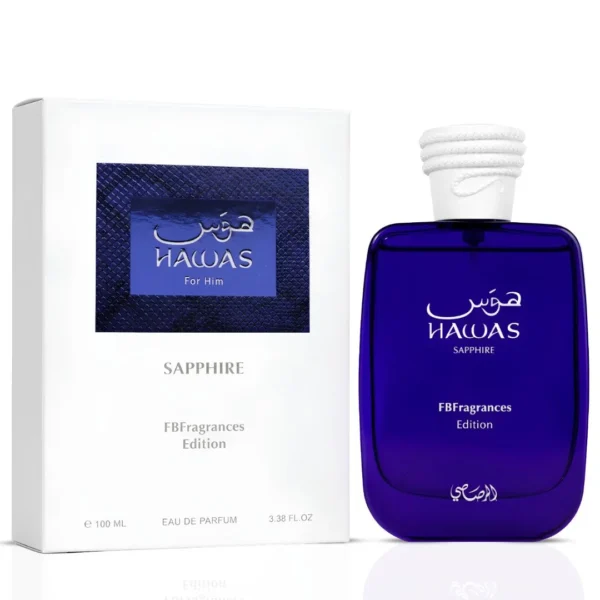
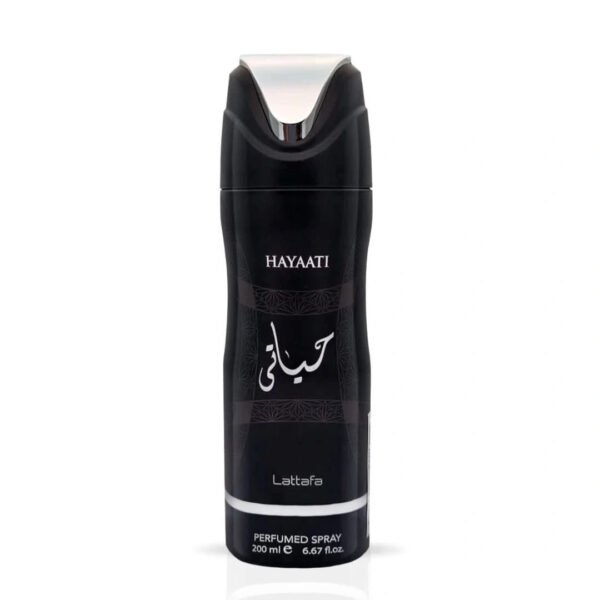
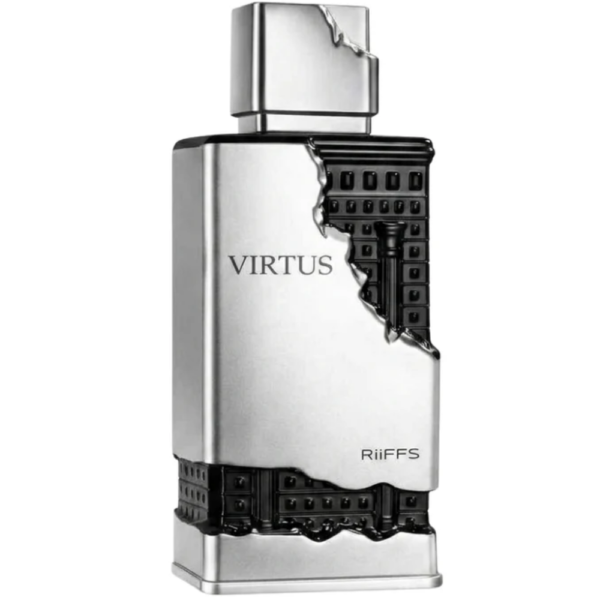
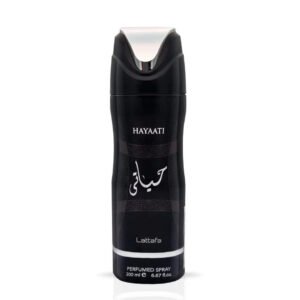
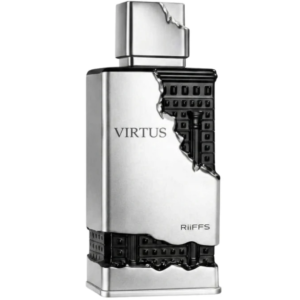
In stock with it: Hawas Sapphire, Hayaati body spray, Virtus by Riiffs.
Free Deliverytracked, on every UK order
Free Deliverytracked, on every UK order
Ambroxan
Clean skin musk.
The most interesting one on this list, because the usual explanation is wrong. Ambroxan is routinely called a fake ambergris. It is not. It is one of the actual molecules that gives real ambergris its smell, formed when that ambrein breaks down. The synthetic version is the same compound, reached from a plant instead of a whale.
It is made commercially from sclareol, extracted from clary sage, and more recently by fermenting sugarcane. So the honest description is not an imitation but the real thing, grown in a field.
If you have ever read that a fragrance smells like skin, or seen a cheap bottle described as a compliment magnet, this is very often why. It is warm, slightly salty, faintly woody and it hangs around for hours, which is why it turns up in an enormous number of modern releases.
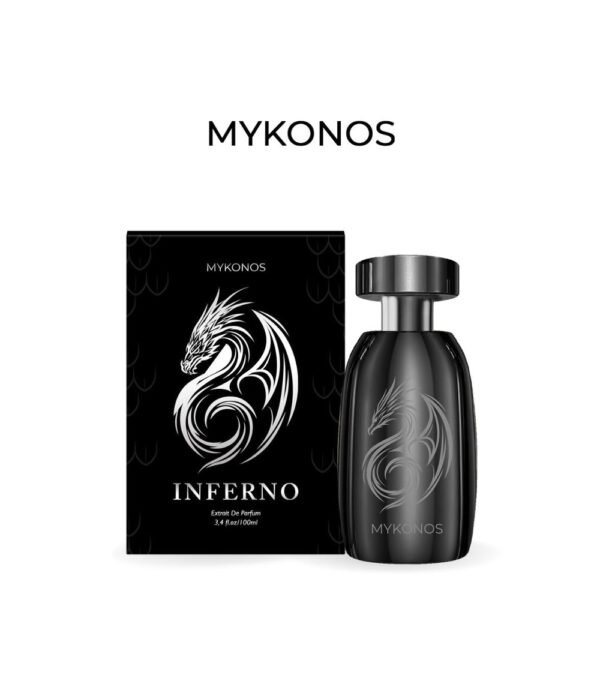
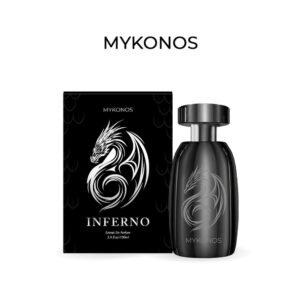
In stock with it: Virtus by Riiffs, Aswaar by Riiffs, Inferno by Mykonos.

Free Deliverytracked, on every UK order
Free Deliverytracked, on every UK order
Amberwood
Dry abstract woods.
Neither amber nor wood. Amberwood is a note name covering a family of synthetic materials that smell dry, woody and slightly warm without being any identifiable timber. No tree is involved.
It does a specific job: it gives the dry down backbone and length without the sweetness that labdanum or benzoin would bring. If a fragrance reads as modern and woody rather than resinous and old-fashioned, something in this family is usually doing the work.
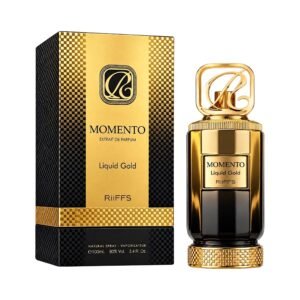
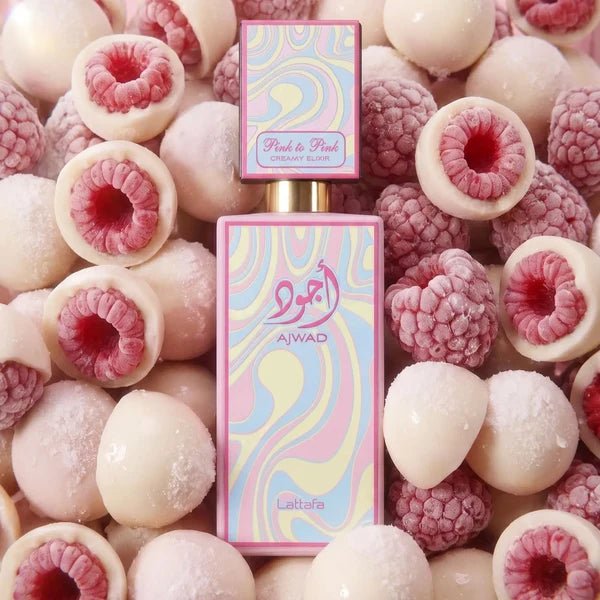
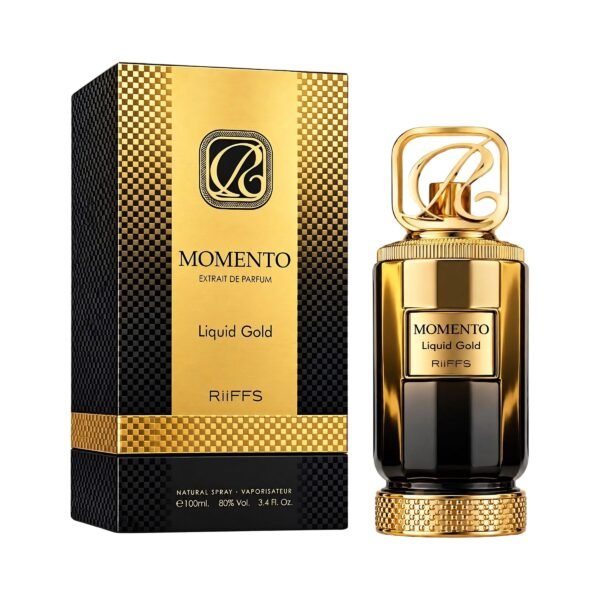
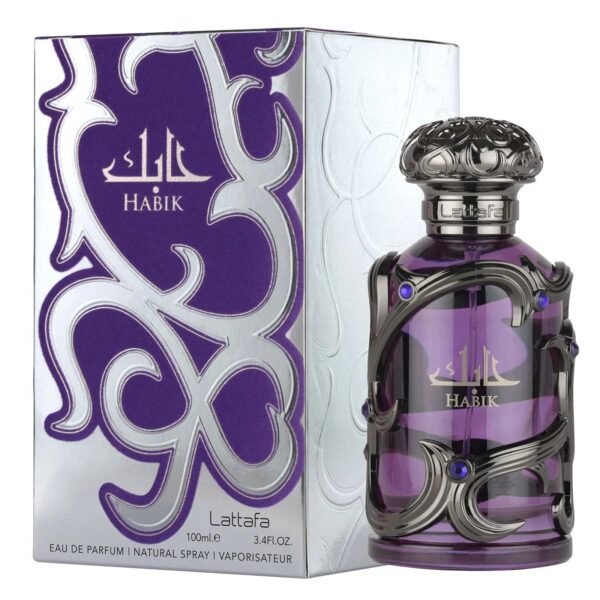
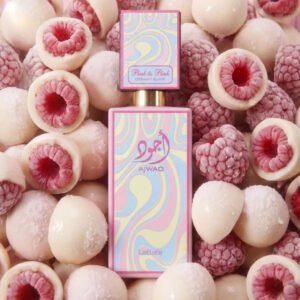
In stock with it: Ajwad Pink to Pink, Momento Liquid Gold, Habik Men.
Free Deliverytracked, on every UK order
Free Deliverytracked, on every UK order
The resins and balsams
Labdanum
Sticky honeyed resin.
If you want to know what amber actually smells like, smell labdanum. It is the core of the accord and it carries most of the character: sweet, resinous, leathery, a little animal, and close enough to ambergris that it has been used as a substitute for it.
It comes from rockrose shrubs in the Mediterranean, and it has the best harvesting story in perfumery. Resin was traditionally collected by combing it out of the beards and thighs of goats that had grazed the scrub, using a rake strung with leather thongs. That is history rather than current practice, and modern production boils the leaves and twigs, but the goats were real.
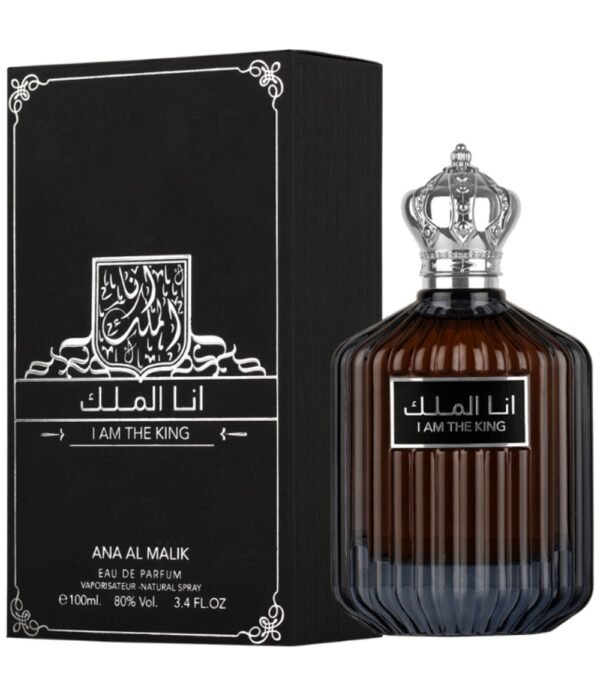
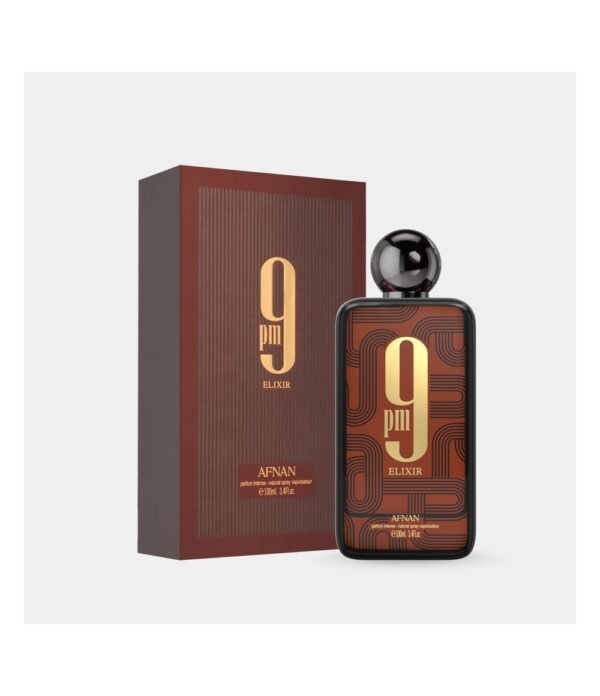
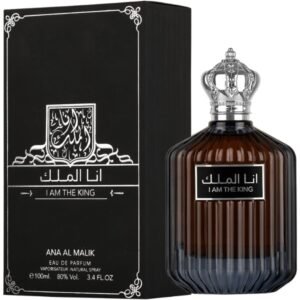
In stock with it: Hayaati body spray, Ana Al Malik, 9PM Elixir.
Free Deliverytracked, on every UK order
Free Deliverytracked, on every UK order
Olibanum
Cool church smoke.
Olibanum and frankincense are the same thing. Two names, one material, which is most of why it confuses people. It is a gum resin tapped from Boswellia trees, hardened into tears, then either used as a resinoid or distilled.
The surprise is that it is not only smoky. Good olibanum opens bright and almost citrus-peppery, with a pine lift, before the dry incense character settles in. If you were expecting pure church smoke you will get something fresher than you planned for.
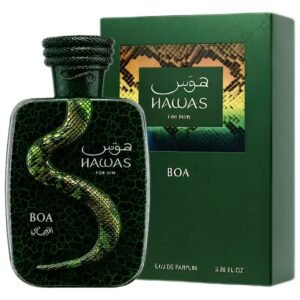
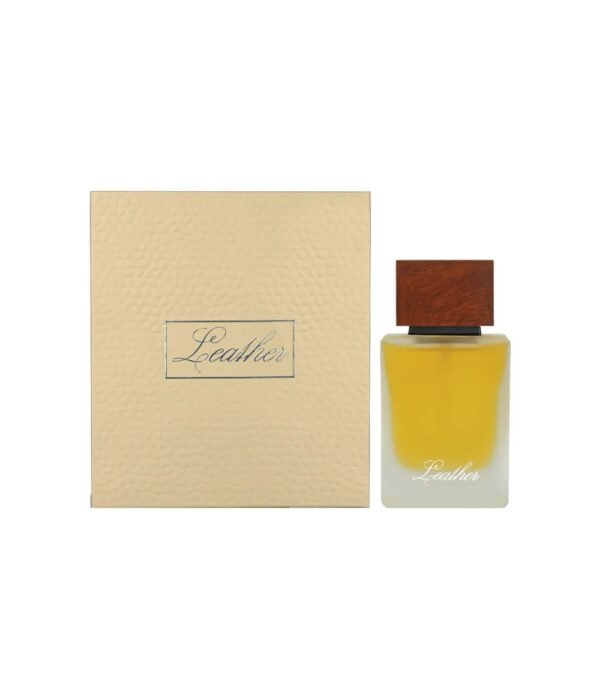
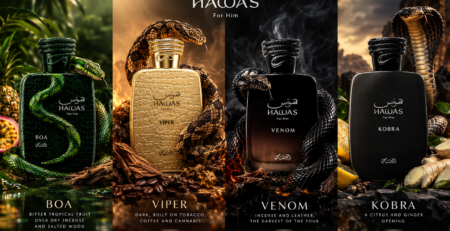
In stock with it: Hawas Boa, Leather by Ahmed Al Maghribi, Al Jawad Highfly.

Free Deliverytracked, on every UK order
Free Deliverytracked, on every UK order
Benzoin
Sweet balsamic vanilla.
Benzoin is a balsam, not a resin, and the difference is chemical rather than pedantic. It comes from the wounded bark of Styrax trees in Laos, Vietnam and Sumatra, and it never flows on its own. The tree has to be cut for it, and the exudate is left to harden and cure in the sun for weeks before it is scraped off.
It reads vanillic, warm and slightly caramel, with a soft milky edge, which is why people mistake it for vanilla. It is not vanilla. It sits next to labdanum as the other pillar of the amber accord.
In stock with it: Satin Oud, Vanilla Coffee, Mirsaal Love Letter.
The ones people get wrong
Oakmoss
Damp forest floor.
Two things everyone gets wrong here. It is not a moss, it is a lichen, which is a fungus and an alga living together on oak bark. And it is not banned, despite that being repeated constantly.
What is true is more specific. The fragrance industry’s own standards cap oakmoss at a tenth of a percent of the finished product in fine fragrance. Separately, and this is actual law rather than an industry rule, two of its constituents, atranol and chloroatranol, are prohibited in UK and EU cosmetics because they are potent skin allergens. So oakmoss is still used, but in a purified grade with those two stripped out.
That is why vintage chypres smell different from modern ones. Not because the material disappeared, but because the most reactive part of it was removed.
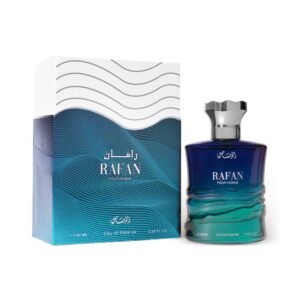
In stock with it: Rafan For Him, Rave Now, Fareed by Riiffs.
Vetiver
Earthy grass root.
Vetiver reads as woody, so almost everyone files it with the woods. It is a grass, related to lemongrass and citronella, and only the roots are used. The green part above ground has no scent worth having.
Roots are dug up, dried for weeks and steam-distilled over very long cycles. The smell has layers: green and slightly citrus on top, a damp earth and beetroot heart, then a dry smoky finish that lasts for hours. Where it grew changes it noticeably, with Haitian vetiver the driest and smokiest.
In stock with it: Kahilan, Hawas Boa, Oud Lavender.
Orris
Cold powdery violet.
Orris does not come from iris flowers. It comes from the rhizome, the thick underground stem, and the flowers yield nothing usable at all.
It is among the most expensive materials in perfumery and the reason is time. Rhizomes grow for two to three years, are lifted, peeled, then aged for a further two to three years before they are any use. The violet smell does not exist in the fresh rhizome. It forms slowly during that ageing as the precursor compounds break down, and there is no way to hurry it. Then the oil yield is a fraction of a percent.
What you get for all that is a cool, powdery, suede-like smell closer to violet and raspberry than to any iris flower.
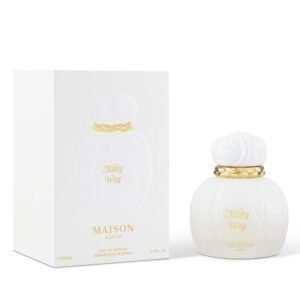
In stock with it: Milky Way, Black Fumes, Hulm by Riiffs.
Tonka bean
Almond, hay, vanilla.
A seed, not a bean in the culinary sense, from a South American tree in the pea family. Venezuela is the main producer. The compound doing the work is coumarin, which makes up a few percent of the seed and gives that sweet hay, almond and vanilla character underneath most fougères and nearly every gourmand.
You will see claims that tonka is banned. It is not, and the confusion comes from mixing up two separate rules. Coumarin cannot be added to food in the United States, which has been the case since the 1950s. In fragrance it is simply capped, and the cap for fine fragrance is generous enough that it is not a real constraint. Your eau de parfum is fine.
In stock with it: Momento Liquid Gold, Signature Rose Gold, Lord by Al Rehab.
Civet
Warm animal funk.
Civet comes from the African civet, which is not a cat but a viverrid, a separate family of carnivores. The material is a paste from its scent glands.
Three corrections. The animal is not killed for it, the paste is scraped from living animals. The objection to it is welfare, since the animals are caged and many do not survive long in captivity. And it is not protected by international convention in any meaningful way, so the industry’s retreat from it has been ethical rather than legal.
In practice natural civet has all but vanished from commercial perfumery and synthetic civetone does the job. When you see civet on a modern note list, assume the synthetic. We stock only two fragrances that list it at all, which tells you how far it has fallen.
In stock with it: Divin Aoud, Kronos.
Everything on our shelves
Sold-out bottles are hidden automatically, so what you see here you can order now.
Free Deliverytracked, on every UK order
Free Deliverytracked, on every UK order
Free Deliverytracked, on every UK order
Free Deliverytracked, on every UK order
Free Deliverytracked, on every UK order
Free Deliverytracked, on every UK order
Free Deliverytracked, on every UK order

Free Deliverytracked, on every UK order
Free Deliverytracked, on every UK order
Frequently asked questions
What is the difference between amber and ambergris?
They are completely different. Amber is a blended accord built mostly from labdanum, benzoin and vanilla, and no amber exists as a raw material. Ambergris is a real secretion from the sperm whale’s digestive tract. They share four letters and nothing else.
Is ambroxan a fake ambergris?
No, and this is the most common mistake made about it. Ambroxan is one of the genuine odour molecules found in real ambergris. The commercial version is the identical compound made from clary sage or fermented sugarcane rather than taken from a whale.
Is oakmoss banned?
No. The industry’s own standards restrict it to a tenth of a percent in fine fragrance, and separately two of its constituents, atranol and chloroatranol, are prohibited in UK and EU cosmetics as skin allergens. Oakmoss itself is still used in a purified grade with those removed.
Is tonka bean banned?
Not in fragrance. Coumarin, the active compound, is barred from food in the United States and capped in fragrance, but the fine fragrance limit is high enough that it is not a practical restriction. The food rule and the fragrance rule get conflated constantly.
Why is orris so expensive?
Because it takes roughly five or six years from planting before the material is usable. The rhizome grows for two to three years, then ages for another two to three while the violet smell slowly forms, and only then does it yield a fraction of a percent of oil. Nothing about that can be rushed.
Is vetiver a wood?
No. It is a tropical grass and only the root is distilled. It smells woody, which is why almost everyone assumes otherwise, but there is no tree involved.
Are olibanum and frankincense the same?
Yes, identical. Two names for the gum resin tapped from Boswellia trees. Myrrh is a different genus and a different smell, though they come from the same plant family.
Is real musk still used?
Essentially no. Musk deer were brought under international trade controls in 1979, though that was a split arrangement rather than a blanket ban. What actually ended natural musk in European perfumery was cost, as synthetics became cheaper and better through the 1990s. Note that several early synthetic musks have since been prohibited by the industry’s own standards, so the ones in use today are a later generation.
A note on how we check this
Every regulatory claim above was taken from the primary text rather than from secondary write-ups, because this subject is badly reported almost everywhere. The oakmoss ban, the tonka ban and the 1979 musk ban are all repeated confidently online and all three are wrong as usually stated. Where we could not verify something to that standard, we have left it out rather than guessed.
If the three-layer structure itself is what you are unsure about, start with what fragrance notes are and how top, heart and base work. If you want to go deeper on a single material, our guide to what oud actually smells like covers the most asked-about note of all, and perfume strength levels explained covers the other thing nobody explains properly.
About the author
S B Shaheen runs Perfumeo, a UK retailer of Arabian and designer fragrance, and writes the guides published here. He buys and wears the stock the shop sells. Read more about the author.


Leave a Reply